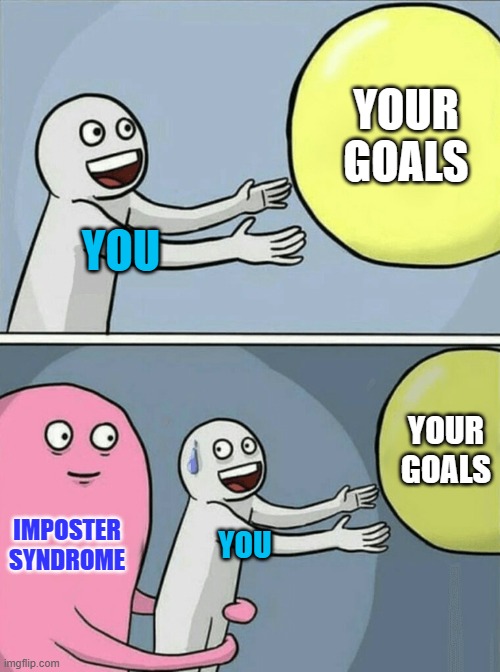
Is Imposter Syndrome Hurting Your Finances? Here’s How to Beat It

Imposter syndrome—the nagging feeling that you’re not as competent or knowledgeable as others think—can creep into every aspect of life, including your finances. Whether you’re an entrepreneur, an employee, or managing your household budget, self-doubt can limit your financial growth and stability.

Imposter syndrome can mess with your money in surprising ways. If you’ve ever thought, I don’t deserve to make that much money or I’m not smart enough to invest, you’re not alone. Let’s talk about how it might be affecting you and, more importantly, how to break free from it.

If you run a business, freelance, or work in a field where you set your own rates, imposter syndrome might be making you lowball yourself. Thoughts like Who am I to charge that much? or What if they realize I’m not that good? can leave you working twice as hard for half the pay.

How to Fix It:

Do the research. Find out what others in your industry charge. Chances are, you’re selling yourself short.
Practice saying your rates confidently. If you don’t believe in your pricing, neither will your clients.

Focus on value, not time. You’re not just selling hours—you’re selling experience, skill, and results.

Think about this: If someone else with less experience is charging more than you, why shouldn’t you?

When was the last time you asked for a raise? If you’re like most people with imposter syndrome, the answer might be never. You may worry that asking for more money will expose you as a fraud or make your boss question your value. Meanwhile, your bills keep rising, but your paycheck stays the same.

How to Fix It:

Track your wins. Keep a list of your achievements, completed projects, and positive feedback.
Know your worth. Check sites like Glassdoor or Salary.com to see what people in your role are making.
Rehearse your ask. Practice with a friend or mentor until it feels natural.

 Your employer expects negotiations. The worst they can say is no—but they might just say yes!

Do you keep all your money in a savings account because investing feels too risky? Maybe you think, I don’t know enough about this, or What if I lose everything? While being cautious is good, avoiding investing altogether can keep you stuck in the paycheck-to-paycheck cycle.

How to Fix It:

Start small. You don’t need thousands to begin—many apps let you start with as little as $10.
Educate yourself. Read books, take courses, and follow financial experts (like me!) to build confidence.
Get guidance. A financial coach can help you create an investment strategy that feels safe and smart.

The best time to start investing was yesterday. The second-best time? Today.

Ever bought something just to look successful? Maybe you splurge on designer bags, fancy dinners, or the latest gadgets—not because you need them, but because deep down, you feel like you should have them to be taken seriously. This “imposter spending” can wreck your budget and keep you in debt.

How to Fix It:

Ask yourself: Why am I buying this? Is it something you truly want or just a way to impress others?
Shift your focus. True confidence comes from financial stability, not expensive things.
Set meaningful goals. Instead of keeping up with appearances, invest in your future.

 Real wealth isn’t about looking rich—it’s about financial freedom.

Have a great business idea but keep talking yourself out of it? Imposter syndrome can make you think, I’m not an expert or What if I fail? Meanwhile, others with less experience and confidence are out there making money.

How to Fix It:

Start before you’re ready. No one feels 100% prepared—successful people take the leap anyway.
Take small steps. You don’t have to go all in at once—start your side hustle part-time.
Surround yourself with support. Find a mentor, join a business group, or connect with others who’ve been where you are.

 The only way to fail is to never start.

Imposter syndrome can limit your financial success, but the good news is that it’s a mindset—one that you can change. By recognizing its impact and taking intentional steps to overcome it, you can build financial confidence and success. When you start believing in your worth, you’ll start earning, saving, and investing in a way that reflects it.

You deserve financial success. Don’t let self-doubt keep you from it.

Want help overcoming money blocks and building financial confidence? Let’s chat! Book a free insight session today.

It’s Quitting Time

Did you know that the second Friday in January is known as “quitting day” because it is the most common day for people to abandon their New Year’s resolutions?

But did you also know that as important as it is to keep our promises to ourselves, it’s equally important to quit the things that no longer serve us?

Life is a series of seasons, each offering us opportunities to grow, learn, and transform. Yet, why do so many of us hold tightly to things that no longer nourish our minds, hearts, or souls? We’re told that quitting is for the weak—that success is a straight line fueled by perseverance. But what if the real power lies in knowing when to let go? Quitting isn’t failure; it’s a bold act of self-respect, acknowledging that your time and energy are too precious to waste on the wrong things.

But why is it so hard to let go? Why do we cling to jobs that drain us, relationships that hurt us, or habits that stifle us? Often, it’s fear—fear of the unknown, fear of judgment, fear of regret. The thought of quitting can feel like admitting defeat, as though walking away negates the effort you’ve put in. And then there’s the sunk-cost fallacy: the belief that because you’ve invested so much already, you have to keep going, even when it’s costing you more than it’s giving back.

But here’s the truth: Holding on too long creates a quiet erosion. It drains your energy, dims your spark, and keeps you tethered to a version of life that no longer fits. Letting go is not just an act of release; it’s an act of liberation.

So how do you know when it’s time to quit? Pause for a moment and ask yourself these questions:

  1. Is this fueling or draining me? If something consistently leaves you feeling depleted or resentful, it’s time to reevaluate its place in your life.
  2. Does this align with who I’ve become? Growth is natural, and what once served you might now feel like a cage. Are you holding on to an old version of yourself?
  3. Am I staying out of fear or obligation? Are guilt or external expectations keeping you in a situation you’ve outgrown?
  4. What does my intuition say? Deep down, you often already know the answer. Listen to that quiet, persistent voice.

The cost of holding on is often invisible until it’s unbearable. Staying too long in the wrong job, relationship, or routine doesn’t just waste your time—it steals your vitality. Imagine the mental clarity you could gain, the opportunities you could seize, the happiness you could cultivate, if you dared to let go. Quitting is not giving up; it’s making space for what’s next.

When you let go, you don’t just lose—you also gain. Here’s what happens when you choose to quit wisely:

  • Clarity: Without the weight of unnecessary burdens, you can see your path more clearly.
  • Freedom: Walking away from what no longer serves you is a radical act of self-care.
  • Renewal: Quitting creates fertile ground for new opportunities, relationships, and dreams to grow.

Letting go isn’t easy, but it can be transformative. Here are some steps to help you navigate this process:

  1. Name it. What are you holding on to, and why? Identifying the root of your attachment can be eye-opening.
  2. Visualize the outcome. Imagine your life without this weight. What doors could open? How would you feel?
  3. Start small. If letting go feels overwhelming, begin with something manageable. Build your confidence one step at a time.
  4. Seek support. Talk to people you trust who can provide perspective and encouragement.
  5. Celebrate your courage. Quitting is hard, and every step you take deserves recognition.

Letting go is not just about leaving something behind; it’s about making room for something better. When you release what no longer serves you, you reclaim your energy, purpose, and joy. You’re saying to yourself, “I deserve more than this,” and that’s a powerful declaration.

So, ask yourself: What am I holding onto that’s holding me back? What would my life look like if I had the courage to quit? In answering these questions, you may just find the freedom you’ve been seeking all along.

Finding Your Compass in a World Gone Wild

Let’s be honest: life’s gotten a bit… noisy. Between emails, endless to-do lists, and trying to remember if it’s trash day or recycling day, it’s no wonder we feel like hamsters on a wheel. We’re sprinting but not necessarily going anywhere.

But here’s the thing: the wheel doesn’t stop unless you do. So, let’s talk about hitting pause, stepping off, and reconnecting with what truly matters. Spoiler: it’s not your inbox or that new streaming show everyone’s talking about.

Take a second and ask yourself: Who am I outside of my responsibilities, my job title, and my Wi-Fi connection? It sounds deep, but it’s really about rediscovering what makes you tick. What lights you up? When was the last time you did something just because it made you happy?

Maybe it’s cooking, dancing like nobody’s watching (even if they are), or painting even though your best work looks like Picasso’s toddler phase. The point isn’t perfection; it’s joy. Reconnecting with these moments of bliss is step one to finding your way back to yourself.

Look around—who’s in your circle? Are they lifting you up or dragging you down? Life’s too short to spend time with people who drain your energy. (Yes, faceless keyboard warrior, I’m looking at you.)

Surround yourself with those who make your soul feel like it’s at an all-you-can-eat buffet of laughter, love, and support. These are your people—the ones who remind you of what matters when you forget.

This one’s a toughie, but hear me out: turn off your phone. No, seriously. The world won’t implode if you’re unreachable for an hour.

Go for a walk without headphones. Sit in the park and people-watch. (Bonus points if you guess their life stories.) Journal your thoughts. Meditate. Or just stare at the ceiling and let your mind wander. When you’re not constantly consuming, you create space to connect with yourself and your surroundings.

Here’s a wild concept: you don’t have to do everything. Not every party, project, or PTA meeting needs your RSVP. Saying “no” isn’t selfish; it’s strategic.

Every time you say “yes” to something that doesn’t align with your values, you’re saying “no” to something that does. Protect your time and energy like it’s the last slice of pizza—it’s precious.

At the core of reconnecting with what matters is figuring out your “why.” Why do you do what you do? What’s the point? It’s easy to get stuck in the day-to-day grind and forget the big picture.

Take some time to reflect on what gives your life meaning. Is it your family? Your creative passions? Making a difference in the world? Whatever it is, let it guide your decisions. It’s your internal compass in a world full of distractions.

Life’s a mess—you’re a mess—we’re all a mess. And that’s okay! Laugh at the chaos. Celebrate the little wins, like remembering to water your plants or finally folding that mountain of laundry. Humor keeps things light and reminds us not to take it all too seriously.

Reconnecting with what matters isn’t a one-time thing; it’s an ongoing practice. Some days you’ll nail it, and other days you’ll eat cereal for dinner and scroll Instagram for hours. (We’ve all been there.) The point is to keep coming back to what’s important.

So, take a deep breath, step off the hamster wheel, and start living a life that feels like yours!

And that’s exactly what I’ll be doing. I’m stepping off the hamster wheel to connect with family over the holidays. I’ll be back in the new year with fresh ideas and strategies to help us work toward our successes. I’ll also be spending time in the new year studying for a new license so I can help my clients even more!

Here’s to the holidays—a time for joy, fresh starts, chasing bigger dreams, and embracing the renewed hope that comes with new beginnings!!

How to Handle the Holiday Chaos Without Losing Your Mind (or Your Wallet)

Ah, the holidays. That magical time of year when twinkling lights fill the streets, Mariah Carey belts out “All I Want for Christmas Is You” on repeat, and somehow, you’re supposed to be overflowing with joy and holiday cheer. But let’s be real for a second—does anyone actually feel that way 24/7 during December?

For many of us, the holidays are more of an emotional rollercoaster. One minute you’re sipping hot cocoa by the fire, and the next, you’re staring at your bank account like, “How did I spend that much on wrapping paper?” Throw in family drama, endless to-do lists, and the pressure to make everything perfect, and it’s no wonder the holidays can feel more stressful than magical.

The good news? You don’t have to let the chaos win. Here’s how to tackle the holiday season without losing your sanity—or your savings.

Admit It: The Holidays Are Complicated, and That’s Okay

Let’s start by getting one thing straight: It’s perfectly normal to have mixed feelings during this time of year. Sure, you might love decorating cookies or watching The Holiday for the millionth time, but you can still feel overwhelmed, exhausted, or even a little sad. Maybe you’re dealing with grief, missing loved ones, feeling lonely, or just stressed about how to afford all the gifts on your list.

Instead of trying to force yourself to feel “holly jolly” all the time, give yourself permission to feel what you feel. If that means crying over a Hallmark movie or hiding in the bathroom during a family gathering for five minutes of peace, so be it. (No judgment here—been there, done that.)

Set Boundaries Like Your Sanity Depends on It (Because It Does)

You don’t have to say yes to every cookie exchange, holiday party, or Secret Santa gift swap. In fact, saying “no” might be the best gift you give yourself this year.

If Aunt Karen insists on hosting her annual 5-hour holiday dinner complete with awkward political debates, feel free to skip it—or at least leave early. Politely decline invitations that feel like too much, and don’t feel guilty about protecting your energy. The holidays are supposed to be enjoyable, not a marathon of obligations.

And yes, this also applies to your finances. Can’t afford to buy gifts for every single person you know? Try suggesting a gift exchange or making thoughtful DIY presents. The people who matter most will understand—and if they don’t, maybe they’re the ones who deserve a lump of coal.

Tackle the Holiday Budget Without Breaking a Sweat

Nothing kills holiday cheer faster than checking your bank account on January 2nd and realizing you’ve blown through your savings. To avoid this, take a minute to map out a realistic holiday budget.

Here’s the secret: The holidays are not about how much you spend. Set a spending cap for gifts, travel, decorations, and food, and stick to it. Get creative with your gift-giving. Instead of splurging on fancy gadgets, consider experiences like a homemade dinner or a heartfelt handwritten note (yes, people do still appreciate those).

And if you’re prone to impulse-buying during those “holiday sales,” remember: Not every deal is a good deal. Your future self will thank you when your credit card bill doesn’t give you a heart attack.

Manage the Emotional Chaos With a Little Self-Care

The holidays are full of people reminding you to “take care of everyone else,” but let me remind you of something equally important: take care of YOU.

Feeling overwhelmed? Take a walk, do some yoga, or binge-watch your favorite HULU show guilt-free. Feeling lonely? Reach out to a friend, volunteer, or attend a community event. Feeling nostalgic or sad? Lean into those feelings—sometimes a good cry or journaling session can be more healing than pretending everything’s fine.

Self-care doesn’t have to be fancy. Even a quiet moment with a cup of tea and a deep breath can do wonders when the holiday chaos gets too loud.

Focus on What Actually Matters

At the end of the day, the holidays aren’t about the perfect tree, the prettiest gifts, or how many Instagram-worthy moments you can create. They’re about connection—whether that’s with family, friends, or even yourself.

So, skip the pressure to make everything Pinterest perfect. Focus on what truly brings you joy, whether that’s baking cookies with your kids, having a glass of wine with a close friend, or just taking a nap while everyone else battles for parking spots at the mall.

You’ve Got This

The holidays don’t have to be perfect to be meaningful. By managing your emotions, setting clear boundaries, and keeping your finances in check, you can make it through this season with your sanity (mostly) intact.

So, here’s to a holiday season that feels a little lighter, a little less stressful, and a lot more real. You deserve it.

Now, go grab that hot cocoa—you’ve earned it.

Have You Done a Year-End-Checkup With Yourself Yet?

The year is almost over—can you believe it? Life has likely been moving at lightning speed between the busy days, unexpected twists, and triumphs big and small. But before we barrel into the next chapter, let me ask you something:

Have you stopped to check in with yourself lately?

Not just a passing thought or a fleeting “how am I doing?” but a deep, intentional pause. A year-in-checkup can help you reflect on your journey, celebrate wins, and refocus your energy on what’s ahead.

Sounds good? Let’s dive into how this can be a game-changer for you.

What’s a Year-End-Checkup, Anyway?

Think of it like a personal progress report, but way more exciting. This isn’t about nitpicking or stressing over what didn’t get done. Instead, it’s about celebrating how far you’ve come and identifying what could use a little more love and attention.

You’ll take stock of important areas in your life:

  • Your Career and Finances: Are you thriving or just surviving? Have you hit those milestones you set for yourself, or is it time to tweak the plan?
  • Your Relationships: Which connections have been your lifeline? Which ones need a little TLC?
  • Your Health and Well-being: How’s your energy? Are you giving yourself the care you deserve?
  • Your Personal Growth: Have you learned something new? Pushed your boundaries? Pursued joy?

This checkup is your chance to reflect, recharge, and reimagine your next steps.

Why You’ll Love Doing This

Here’s the thing: without stopping to reflect, it’s easy to lose track of what really matters. We get so caught up in daily routines and putting out fires that we forget to ask, “Am I happy with where I’m headed?”

A year-in-checkup is empowering. It’s your opportunity to:

  • Celebrate what you’ve accomplished. (Yes, even the little wins!)
  • Spot areas that could use some extra care or attention.
  • Realign with what’s most important to you.

The best part? You don’t need to wait for January 1st to start fresh. You can make small, intentional shifts right now that will set you up for an even better year ahead.

How to Get Started (It’s Easier Than You Think)

Ready to give this a try? Here’s how to make it happen:

  1. Set the Mood: Grab a pen and notebook, your favorite drink, and find a cozy spot where you can think clearly.
  2. Ask the Big Questions:
  • What made me proud this year?
  • What challenged me, and how did I grow because of it?
  • What am I most grateful for?
  • What could I do differently to make next year even better?
  1. Celebrate the Wins: Take a moment to appreciate how far you’ve come. Seriously, give yourself credit—you’ve earned it.
  2. Dream Big: What’s one exciting thing you’d love to achieve next year? Write it down and make it your mission.

The Magic of Self-Reflection

When you take the time to check in with yourself, you’re not just looking back—you’re setting the stage for what’s next. You’re choosing to step into the next year with purpose, clarity, and confidence.

So, what do you say? Ready to give yourself the gift of reflection? A year-end-checkup isn’t just a task—it’s a chance to reconnect with you. And trust me, you’re worth every second of it.

Make it a date with yourself. Your future self will thank you.

Go on—get started! What’s the first thing you’re going to celebrate?

The Beauty of Memories: The Heartbeat of Our Lives

Isn’t it incredible how a single scent, sound, or snapshot can take you back in time? One whiff of sunscreen, and you’re on a sun-drenched beach from years ago, laughing with friends. A song plays, and suddenly, you’re dancing at your high school prom, feeling every bit as alive as you did then. That’s the beauty of memories—tiny time capsules packed with emotion, ready to transport us in an instant.

Memories aren’t just the highlight reel of our lives; they’re the stories that shape us. They remind us of where we’ve been, who we’ve loved, and how far we’ve come. And their true magic? They connect us, heal us, and inspire us to live fully.

Ever stumbled across an old photo and felt a warm flood of emotions? Maybe it’s that blurry snapshot from a family road trip where everything went hilariously wrong—or that selfie you took with someone you love on the best day of your life. Those moments are more than pictures; they’re pieces of who you are.

Memories are our emotional time machines. They bring joy, comfort, and sometimes, a touch of sadness. That’s okay—it’s all part of their beauty. They remind us we’ve lived, felt deeply, and have grown.

Not all memories are sunshine and rainbows, and that’s what makes them so valuable. The tough ones—the heartbreaks, mistakes, and setbacks—carry the biggest lessons. They can teach us about forgiveness, show us how far we’ve come, and remind us that we’re stronger than we thought.

And let’s not forget the triumphs! Those shining moments of success—your first big win, the time you nailed that impossible goal—are proof that you’re capable of amazing things. When you need a boost, these memories are your biggest cheerleaders.

There’s something magical about shared memories. Sitting around a dinner table, swapping stories with loved ones, laughing until your sides hurt, or texting late into the night remembering special moments from the past and smiling as you drift off to sleep—those are the moments that glue us together.

And it’s not just about the here and now. Shared memories create legacies. Think about the stories your grandparents told you. They’re not just anecdotes—they’re pieces of history that shaped your family. Every memory we share keeps those connections alive, even across generations.

Here’s the thing about memories: they’re not just something you look back on. They’re also something you’re creating every single day.

That spontaneous road trip? That’s a memory in the making. The time you stayed up way too late talking with a friend? Another one for the treasure chest. The beauty of life is that every moment holds potential to be a story you’ll want to revisit again and again.

So, say yes to the adventure. Be present in the quiet moments. Laugh, love, and soak it all in—because today’s little joys are tomorrow’s cherished memories.

In our demanding and often chaotic lives, it’s easy to let memories slip through our fingers. But preserving them doesn’t have to be complicated. Snap that photo. Write down how you felt after a big milestone. Share stories with the people you care about.

But most importantly, relive them. Close your eyes and remember the way your favorite day smelled, sounded, and felt. That’s how memories stay alive—not just in your mind, but in your heart.

Memories are life’s greatest treasures, not because they capture the past, but because they remind us of the beauty of living. They’re proof that we’ve loved, learned, and truly experienced this wild, wonderful ride of life.

So, as you keep moving forward, carry your memories with you. Let them be the spark that lights your way and the reason you dive headfirst into new adventures. After all, life isn’t just about the moments—it’s about the memories we create along the way.

Setting Boundaries: The Key to Thriving

Do you often find yourself saying yes when you really want to say no? Whether it’s lending money you can’t spare or stretching yourself too thin for others, lacking boundaries can leave you drained—emotionally and financially. But here’s the good news: setting boundaries isn’t about shutting people out; it’s about protecting your energy, time, and resources so you can thrive.

Boundaries are the invisible lines that define what you are willing to accept in your life. They help you communicate your limits and values to others while safeguarding your peace of mind and resources.

In relationships, boundaries can prevent emotional burnout. In finances, they can stop overspending, enable saving, and support long-term goals. Both areas are interconnected: without clear personal boundaries, your financial well-being may also suffer.

So, how do you set personal boundaries?

1. Know Your Limits

Spend time identifying what drains your energy. Is it saying yes to every social event? Overcommitting at work? Recognize what feels overwhelming and set clear limits around those areas.

2. Practice Saying “No”

Saying no doesn’t make you selfish—it makes you self-aware. A simple, “I can’t commit to that right now,” is polite but firm. Remember, you’re saying no to protect something more important: your time and energy.

3. Communicate Clearly

Boundaries are only effective if others know about them. Whether it’s a friend who calls at all hours or a boss who expects late-night emails, calmly express what works for you.

4. Hold the Line

People might push back, especially if they’re used to you being endlessly available. Stay consistent. The more you reinforce your boundaries, the more others will respect them.

Financial boundaries can be a game changer for your wallet.

If you’ve ever felt guilted into spending money you didn’t have, you know the toll of weak financial boundaries. But there are ways you can take charge.

1. Create a Budget—and Stick to It

A budget isn’t restrictive; it’s empowering. Decide how much you’ll allocate to essentials, savings, and “fun money.” Once you know your limits, it’s easier to say no to unnecessary expenses.

2. Set Limits on Lending and Gifting

It’s okay to say, “I’d love to help, but I’m not in a position to give right now.” Protecting your financial health ensures you’re not sacrificing your future security for short-term approval.

3. Communicate Expectations

If you’re sharing finances with a partner or contributing to family expenses, clarity is key. Agree on spending habits, savings goals, and debt repayment plans. This reduces conflict and keeps everyone on the same page.

4. Respect Your Own Goals

Your dreams matter. Whether it’s saving for a house, building an emergency fund, or traveling, don’t let others’ financial habits derail your plans. Stay focused on what you’ve set out to achieve.

Think of boundaries as a way to show yourself love and respect. When you honor your limits, you reduce stress, improve relationships, and gain confidence. In finances, boundaries free you from guilt, help you make informed decisions, and keep you on track for your goals.

The truth is, boundaries aren’t barriers—they’re bridges to a healthier, more fulfilling life.

Remember, you have the power to define what’s acceptable in your life and finances. Boundaries aren’t just about protection—they’re about creating space for what truly matters.

So, where will you set your first boundary today?

1. Reflect on areas in your life and finances where you feel stretched or uncomfortable.

2. Decide what boundaries you need to set to regain control.

3. Take small, consistent steps toward enforcing them.

Understanding Yourself

How often have you thought you don’t even know who you are anymore? Have you ever stopped and asked yourself what really matters to you? In our busy and distracted lives, it’s easy to get caught up in routines and external pressures, but deep down, we all have core beliefs that guide us. The challenge is figuring out what those values are.

When was the last time you slowed down to think about what truly drives you? Not the things you feel that should matter, but the ones that genuinely make you feel alive and fulfilled? Values serve as the guiding principles that shape your decisions, behavior, and priorities. They help define what matters most to you, offering clarity in times of uncertainty and focus when you’re feeling lost. But how do you know what you value?

Here’s how you can start uncovering what you value—and why it’s so important to take this journey now.

– Reflect on Moments of True Joy

Think back to those rare moments in life when you felt completely at peace or truly alive. Close your eyes and relive them. Maybe it was an achievement you worked hard for, or a quiet evening surrounded by people you love. What was it about that experience that felt so right? Was it the connection with others, the sense of accomplishment, or just being in the moment?

Those moments aren’t random; they’re clues. They reveal what deeply resonates with you. If you can pinpoint what makes you light up inside, you’re halfway to understanding your core values.

– Notice What Upsets You the Most

Strangely, the things that frustrate or upset you can be just as revealing as the things that bring you joy. Think about it—what makes your blood boil? Injustice, dishonesty, or lack of respect? Why do these things get under your skin?

The reason you react so strongly is that something you care about deeply is being threatened. If fairness or honesty drives you crazy when it’s missing, that might be one of your values. Pay attention to what stirs your emotions, good or bad—your values are hidden in those feelings.

– Look at Your Big Decisions

Life is full of decisions, big and small, and the way we make them speaks volumes about what we value. Think about some of the most important choices you’ve made—whether it’s choosing a career, moving to a new city, or ending a relationship. Why did you make those choices?

If you chose a job with flexible hours to spend more time with your family, it says something about your priorities. If you’ve consistently chosen stability over risk, that’s a clue too. Your past decisions can act like a map, tracing the values that have been guiding you all along.

– Think About the People You Admire

Who do you look up to the most, and why? We tend to admire qualities in others that we aspire to embody ourselves. Is it someone’s generosity, their perseverance, or maybe their kindness that draws you in?

These qualities are reflections of what you find meaningful. So when you think about the people who inspire you, take a moment to ask yourself why. What do they stand for that you want to stand for too?

– Evaluate Where You Spend Your Time and Money

Here’s a tough one—how do you really spend your time and money? If you want to know what you value, look at how you use the two most limited resources in your life. Do you spend your free time nurturing relationships, learning new skills, or prioritizing self-care?

We often say we value something, but our actions tell a different story. The truth is, where we spend our time and money is a direct reflection of what we truly value. If there’s a gap between what you say and what you do, it’s time to ask yourself: what’s really driving me?

– Ask the Hard Questions

If you’re serious about understanding your values, you’ll need to dig deep with some tough, soul-searching questions:

– What kind of impact do I want to leave behind?

– If money wasn’t an issue, how would I choose to spend my time?

– When I’m at my best, what am I doing, and why does it matter?

– What would I fight for, even if it were difficult?

These aren’t easy questions, but they’re the kind that push you to the heart of who you are. Take time to sit with them and see what surfaces. The answers might surprise you.

– Let Your Values Evolve

As you go through this journey, don’t be surprised if your values shift or evolve. What mattered to you in your twenties might not hold the same weight in your thirties, and that’s perfectly normal. The important thing is to keep checking in with yourself. Life changes, and so do we. The more you reflect and adapt, the closer you’ll stay to your authentic self.

Discovering what you value isn’t just a nice little exercise—it’s essential to living a life that is aligned with who you really are. Without knowing what drives you, you risk being pulled in directions that don’t serve your happiness or fulfillment. But when you take the time to uncover your values, you gain clarity, focus, and confidence. You make decisions that are aligned with your true self, and that’s when life feels meaningful.

So, the next time you’re feeling uncertain or overwhelmed, take a moment to pause and reflect on what matters most to you. Your values are waiting to guide you—if you’re ready to listen.

How Do I Want To Feel?

We all know the drill: you wake up, and before your feet even hit the floor, you’re already thinking about how your day is going to go. Maybe you’re tired, maybe you’re stressed, or maybe you’re already thinking about the long list of things you have to do. But what if, instead of going through the same old routine, you tried something different? What if you asked yourself, “How do I want to feel today?” This small change can make a huge difference in how you experience your day.

Let’s be real – life can throw a lot at us. Instead of letting things like bad traffic, a grumpy coworker, or even the weather decide your mood, you’re choosing how you want to experience the day. It might sound simple, but it’s a way to remind yourself that you’re in charge of your feelings, not the other way around.

Most of us spend our days reacting to whatever happens around us. If something annoying happens, we feel annoyed. If something stressful comes up, we feel stressed. But when you decide how you want to feel, you’re no longer just reacting – you’re creating your experience. For example, if you want to feel calm, you might take a few deep breaths or listen to relaxing music. If you want to feel happy, you might think about something you’re grateful for or do something you enjoy. This way, you’re actively choosing the kind of day you want to have.

1. **Set Your Intention in the Morning**: Before you even set a foot on the floor, ask yourself, “How do I want to feel today?” Don’t just think it – feel it. Visualize yourself moving through the day with this chosen emotion. Picture the energy, confidence, or joy radiating from you. It might sound cheesy, but this visualization sets the tone for the entire day.

2. **Remind Yourself During the Day**: It’s easy to forget about your intention once the day gets going, so try to set a few reminders. Set an alarm on your phone with a message like, “Remember: Today is about feeling confident!” or leave sticky notes around your workspace with words like “Joy,” “Calm,” or “Gratitude.”

3. **Choose Actions That Support Your Feeling**: Want to feel more energetic? Maybe go for a walk or listen to some upbeat music. Want to feel more relaxed? Take a few minutes to breathe deeply or do something that makes you smile. These small actions can help you stay on track with how you want to feel.

4. **Don’t Be Hard on Yourself**: You won’t always stick to your intention, and that’s okay. Life can be unpredictable. When you notice yourself drifting away from how you want to feel, gently bring yourself back. Remember, every moment is a chance to start again.  And you have the power to choose again – and again, and again.

Here’s the thing: when you intentionally choose how you want to feel, it doesn’t just change you – it changes everything around you. Have you ever noticed how one person’s mood can shift an entire room? By consciously choosing positivity, calm, or confidence, you influence the people you interact with. This ripple effect can transform your relationships, work environment, and even the energy you bring to a crowded subway or busy grocery store. Your choice to feel a certain way can inspire others to do the same, creating a collective wave of positive change.

This isn’t just self-help fluff – there’s real science behind it. Our brains have something called “neuroplasticity,” which means they’re constantly rewiring based on our thoughts and actions. By regularly asking yourself, “How do I want to feel?” you’re training your brain to default to more positive, empowering emotions. Over time, this practice can lead to reduced stress, increased happiness, and improved mental health. You’re essentially creating new pathways that make it easier for you to feel the way you want to feel.

Think of it this way, asking yourself “How do I want to feel?” gives you a choice. It reminds you that no matter what’s going on around you, you can always choose your response. It doesn’t mean you’ll never feel stressed, angry, or sad – that’s part of life. But it does mean you have a say in how much control those feelings have over you. It’s about being the hero of your own story, rather than just a supporting character.

Try this…tomorrow morning, when you wake up, ask yourself, “How do I want to feel?” It’s a simple question, but it can help you start your day with purpose and take control of your emotions. Maybe try it out for just one week and see what happens. See if you notice the difference in your mood, your energy, and even the way others respond to you. Imagine the possibilities when you choose how you want to feel instead of letting the world decide for you. Give it a shot, and you might be surprised by how much better your day goes.

Your emotions, your life, your choice. Now, how do you want to feel?

Living In Fear

Living in fear often means constantly feeling anxious, worried, and scared. It can come from many sources, like personal experiences, societal pressures, or even things happening around the world. This state of mind not only affects our mental health but also has serious impacts on our physical health and overall happiness. Understanding what it means to live in fear and finding ways to overcome it is crucial for living a happy and healthy life.

Fear is a natural response to danger. It prepares our body to either fight or run away (fight or flight). But when fear becomes a constant part of our lives, it can turn into a big problem. This can happen because of:

  • Past Traumas: Bad experiences, like abuse, accidents, or violent events, can leave a lasting impact, making us afraid of similar situations in the future.
  • Ongoing Stress: Constant stress from work, relationships, or money problems can create a lingering sense of fear.
  • Mental Health Issues: Conditions like anxiety, PTSD, and depression can cause irrational fears and make us more sensitive to threats.
  • World Events: News about crime, terrorism, pandemics, and natural disasters can make us generally fearful of the world.

Living in fear affects both our mind and body:

  • Mental Health: Chronic fear can lead to anxiety disorders, depression, and other mental health problems. It makes it hard to concentrate, make decisions, and remember things.
  • Physical Health: Long-term fear can cause physical problems like headaches, muscle tension, digestive issues, and a weakened immune system. It can also contribute to heart disease and other long-term health issues.
  • Behavioral Changes: Fear can change our behavior, making us avoid certain situations or places, withdraw from social activities, and struggle with everyday tasks.

Dealing with chronic fear involves several steps:

1. **Recognize and Understand**: The first step is to identify what’s causing the fear. Understanding why certain things make us scared helps us tackle the root of the problem.

2. **Get Professional Help**: Therapy, especially cognitive-behavioral therapy (CBT), is very effective for treating chronic fear and anxiety. In severe cases, medication might be necessary.

3. **Practice Mindfulness and Relaxation**: Techniques like meditation, prayer, deep breathing, and yoga can help manage stress and reduce fear.

4. **Live a Healthy Lifestyle**: Regular exercise, a balanced diet, limiting social media, and getting enough sleep strengthen the body and mind, making them more resilient to fear.

5. **Build a Support System**: Having a strong network of family and friends provides emotional support and makes us feel safer.

6. **Learn About Fear**: Educating ourselves about fear and its effects can empower us to confront and manage our fears more effectively.

Living in fear is exhausting and affects every part of our life. It traps us in a cycle of anxiety and stress, preventing us from truly enjoying life. By recognizing fear, seeking help, and adopting healthy coping mechanisms, we can break free from fear’s grip and live a more peaceful and productive life. Understanding and addressing fear is not only important for our own well-being but also for creating a more compassionate and resilient society.