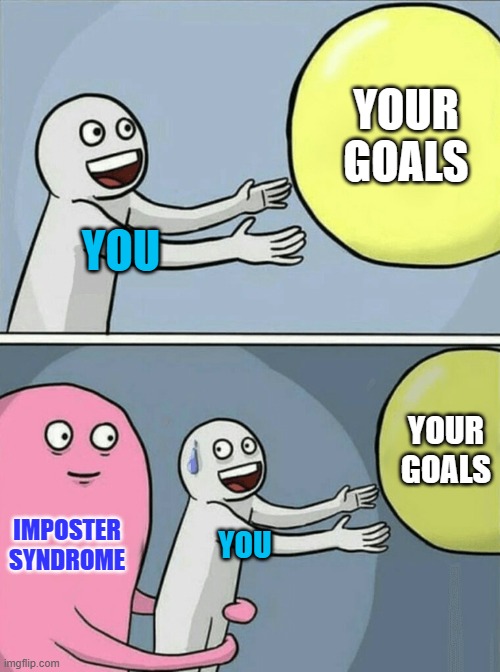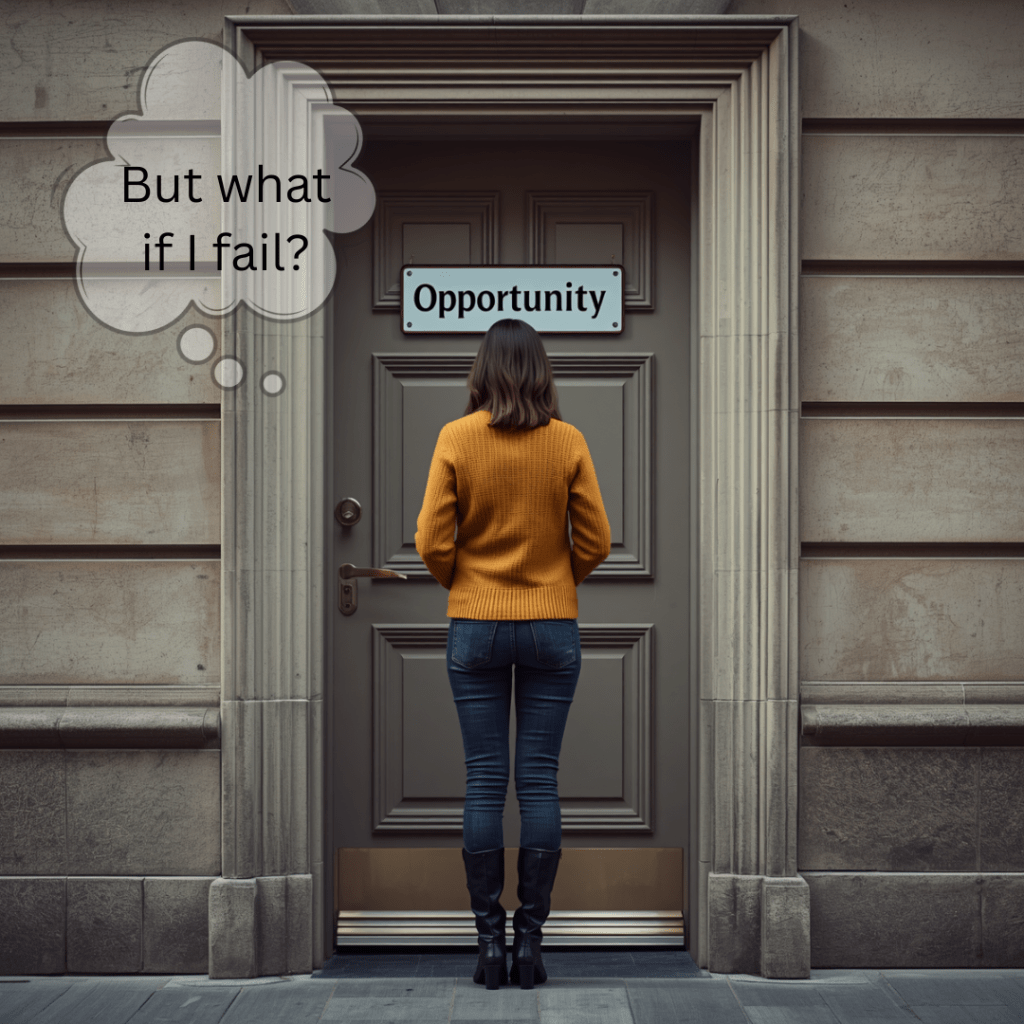
When most people hear the phrase imposter syndrome, they immediately think about work.
They picture someone who just got promoted but secretly believes they aren’t qualified. Or an entrepreneur who’s afraid to launch a business because they don’t feel experienced enough. We hear about imposter syndrome in the workplace all the time.
But what if I told you that imposter syndrome doesn’t stay at the office?
It follows you home.
It’s there while you’re paying bills.
It’s on your mind when you’re deciding whether to invest, ask for help, negotiate your salary, buy a home, or even look at your bank account.
Money issues are rarely just about not being able to stick to a budget. It’s about the stories we tell ourselves. It’s about the beliefs we carry, often without even realizing it. Those beliefs shape our decisions far more than we like to admit.
One of the most damaging beliefs is believing you’re somehow not capable or not worthy.
Not capable of understanding money. Not capable of building wealth. Not capable of making good financial decisions. Sometimes it goes even deeper than that. You may not feel worthy of financial success in the first place.
If you’ve experienced failure, gone through a divorce, struggled with debt, lost a job, or simply made mistakes with money, it’s easy to let those experiences become part of your identity. Instead of saying, “I made a bad decision,” you begin telling yourself, “I’m bad with money.”
Those are two very different statements.
One describes something you did. The other describes who you believe you are.
When you don’t feel worthy, you may settle for less than you deserve. You may stay in a job that underpays you because you don’t believe you’re worth more. You may hesitate to raise your prices if you’re a business owner. You may spend money trying to prove your value to others, or you may avoid financial opportunities because deep down you don’t believe success belongs to someone like you.
Your beliefs quietly become your financial decisions.
The good news is that beliefs aren’t facts. They’re stories we’ve repeated often enough that they begin to feel true. And just like those stories we’ve started to believe, they can be rewritten.
You are not defined by your past mistakes. You are not defined by what someone else told you about your worth. Your value isn’t determined by your income, your net worth, or the balance in your bank account.
When you begin to see your worth differently, you also begin making different financial decisions. You ask better questions. You recognize opportunities. You invest in yourself. You stop settling for less and start believing that a healthier financial future is something you’re worthy of creating.
That change doesn’t happen overnight, but every positive decision is another piece of evidence that you’re more capable and more worthy than you’ve been giving yourself credit for
Maybe you’ve avoided investing because it feels too complicated. Maybe you’ve stayed in a job that doesn’t value you because asking for more felt uncomfortable. Maybe you’ve put off creating a budget because you’re convinced you’ll fail at it anyway.
Those thoughts may seem harmless in the moment, but over time they become expensive.
Every opportunity you don’t pursue, every raise you don’t ask for, every financial decision you avoid because you’re afraid of getting it wrong carries a cost.
What’s interesting is that imposter syndrome doesn’t always make us do less. Sometimes it makes us do more.
It convinces us that one more course, one more certification, one more book, or one more podcast episode will finally make us “ready.” We spend money trying to earn permission to believe in ourselves.
Knowledge is valuable. Growth is important. But there comes a point where learning becomes hiding.
You don’t need another certificate to prove your worth. You need to trust the knowledge and experience you already have and be willing to take the next step.
Imposter syndrome can even show up in the way we spend money. Sometimes we buy things to look successful because we’re hoping they’ll make us feel successful. We convince ourselves that if we drive the right car, wear the right clothes, or have the right house, maybe we’ll finally feel like we belong.
The problem is that confidence can’t be purchased.
It has to be built.
Here’s what I want you to know.
If you’ve struggled with imposter syndrome, it doesn’t mean you’re weak. It doesn’t mean you’re incapable. In fact, many highly capable people wrestle with these thoughts every day. The difference is learning not to let those thoughts make your decisions for you.
You don’t have to know everything before you take control of your finances.
You don’t have to be perfect before you start investing.
You don’t have to understand every financial term before asking questions.
You don’t have to wait until you feel completely confident before making a positive change.
Confidence doesn’t usually come first.
Action does.
Every small financial decision you make is a vote for the person you’re becoming. Every time you choose to learn instead of avoid, ask instead of assume, or move forward instead of standing still, you’re building evidence that you’re more capable than your inner critic wants you to believe.
I’ve worked with people from all walks of life. People who were rebuilding after divorce. People navigating retirement. People starting over after losing a spouse, changing careers, or facing unexpected life changes. One thing I’ve learned is that the biggest obstacle is rarely a lack of intelligence.
It’s a lack of belief.
The beautiful thing about belief is that it can change.
You don’t have to stay stuck in the story you’ve been telling yourself. You can write a new one.
Maybe today that new story starts with asking for help.
Maybe it starts with believing that you’re capable of learning something new, no matter your age or your past.
Your financial future isn’t determined by whether you’ve made mistakes. We all have.
It’s determined by what you choose to do next.
So if imposter syndrome has been making your financial decisions for you, maybe it’s time to politely show it the door.
You don’t need to have all the answers.
You just need to take the next right step.
Because the goal isn’t to become fearless.
The goal is to stop letting fear decide your future.
And I believe you’re far more capable than you’ve given yourself credit for.