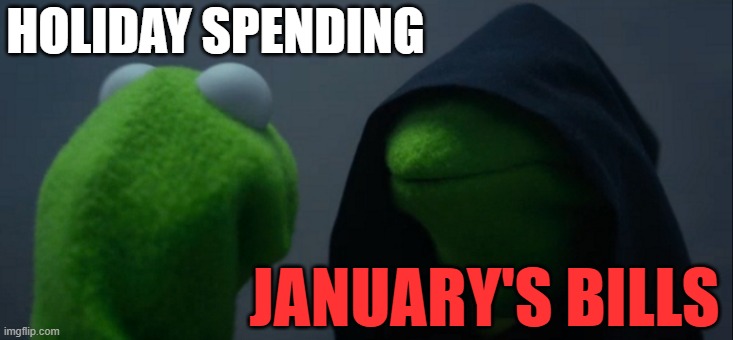
How to Stop Being Your Own Worst Enemy

Let’s be real: managing finances can feel like trying to assemble IKEA furniture without the instructions—except instead of ending up with a wobbly bookshelf, you’re left wondering where all your money went. And more often than not, the culprit isn’t your boss for not giving you that raise or having a loan not approved by a financial institution. It’s you. Yes, you. Your decisions, habits, and that one voice in your head whispering, “Treat yourself,” are often the biggest hurdles standing between you and financial peace of mind.

Here’s a familiar story, but this time told in its entirety. Let me introduce you to Rachel. Rachel’s a 28-year-old with a decent-paying job and dreams of owning her own home someday. But Rachel has a little problem: she loves her morning coffee runs. Now, Rachel isn’t sipping your standard $2 cup of joe. Nope, she’s all about the venti caramel-whipped-foam-extra-shot-latte…that costs $7 a pop….minimum.

It’s harmless, right? Just $7. But here’s the thing: Rachel doesn’t just stop at coffee. There’s also the $12 avocado toast she grabs for breakfast a few times a week and the $25 takeout she gets for lunch because “packing lunch is so boring.” Multiply this routine over the course of a month, and Rachel’s suddenly $1,260 lighter in her wallet.

Now, let’s pause. Did Rachel’s latte-buying habit singlehandedly ruin her financial life? Not really. But this little daily indulgence, multiplied by her other “innocent” spending habits, meant Rachel wasn’t saving much. And every time she sat down to budget, she’d sigh and say, “Ugh, I don’t know why I’m always broke!”

Sound familiar?

We all have a little “Rachel” in us. Maybe your Achilles heel isn’t fancy coffee—it’s impulse online shopping (hello, late-night Amazon purchases), splurging on the newest gadgets, or refusing to say no to that monthly subscription box you don’t even open anymore. Whatever it is, it’s these small, seemingly harmless choices that can snowball into major financial stress.

Here’s the deal: the problem isn’t spending money. It’s spending money mindlessly. We sabotage ourselves by ignoring the big picture, brushing off small expenses, or avoiding honest conversations about our financial habits.

So why Do We Do This to Ourselves?

Money isn’t just numbers on a spreadsheet—it’s emotional. We spend when we’re stressed, bored, or trying to reward ourselves. And let’s face it: FOMO (fear of missing out) is real. We’d rather swipe our cards to keep up with the group dinner or splurge on a trendy item than face the (false) shame of saying, “I can’t afford it.”

But the truth is that financial self-sabotage is often rooted in avoiding discomfort. We’d rather indulge in short-term gratification than confront long-term responsibility. And honestly? It’s human.

Ready to stop being your own worst enemy? It’s easier than you think—with a little intention

  1. Track Every Penny (Yes, Every Penny): Think of tracking your expenses like investigating a mystery—where is your money sneaking off to? You might discover it’s those sneaky $3 app subscriptions or, like Rachel, an innocent coffee habit. Apps like Every Dollar, Mint or YNAB (You Need A Budget) can help turn this into a game.
  2. Create a “Fun Budget”: No, you don’t need to give up all your guilty pleasures. Budget a set amount for your indulgences—whether it’s coffee, streaming services, or treating yourself to something nice. When the fun fund runs out, that’s it for the month.
  3. Embrace the Art of “No”: Say no to impulse buys, unnecessary subscriptions, and (politely) those fancy dinners with friends if your budget doesn’t allow it. You can always suggest a potluck instead. Your future self will thank you.
  4. Focus on Your Goals: Get clear about what you’re working toward—a down payment, a vacation, or finally paying off that pesky credit card. Every time you’re tempted to make an unplanned purchase, remind yourself of the bigger picture.
  5. Laugh at Your Mistakes: So, you bought a yoga mat for $80 that you never used? Laugh about it, learn from it, and move on. Financial mistakes happen to everyone. What matters is how you bounce back.

After a bit of soul-searching (and a budgeting app), Rachel started making some changes. She swapped her daily latte for home-brewed coffee (with caramel syrup she bought for $5), packed her lunch most days, and started saving $700 a month. Six months later, she had a healthy emergency fund and was finally on track toward her dream of owning a home.

You, too, can write your own happy ending. Start small, stay consistent, and remember: you’re not alone in this. We’ve all been our own worst enemies at some point. The trick is to recognize it, laugh about it, and start treating your finances with the care they deserve.

And who knows? Maybe one day, you’ll look back and laugh about the time you spent $200 on a “limited-edition” air fryer.

Know Your ‘Why’: The Secret to Financial Peace

What drives you? Why do you get up each day and work as hard as you do? And when it comes to your financial goals, have you ever stopped to ask yourself why?

If your answer is “I want to be rich” or “I want to retire early,” you’re not alone. But let’s dig a little deeper. What does being rich actually mean to you? What does early retirement look like in your life? If you’re unsure, you may be chasing a dream that feels more like an obligation than a vision worth fighting for.


Here’s the truth: Money isn’t the end goal. It’s the means to live the life you want, to create security, opportunities, and freedom for yourself and those you care about. But to use money as a tool, you need to first define what you’re building.

Do you want to:

  • Buy your dream home by the lake?
  • Take a month-long vacation with your family every year?
  • Start a business that aligns with your passion?
  • Retire early so you can travel or volunteer more?

Each of these dreams carries emotion, purpose, and clarity. That’s the power of knowing your “why.” It makes your goals feel personal, not generic, and gives you the motivation to stick to the plan when the going gets tough.


When you have a clear purpose behind your financial goals, it:

  1. Keeps You Focused: Life throws curveballs. When you’re tempted to splurge on something unnecessary or feel discouraged, your “why” reminds you of the bigger picture.
  2. Makes Sacrifices Easier: Saving and investing require discipline. When you tie your financial habits to a meaningful purpose, it’s easier to say no to fleeting temptations and yes to long-term rewards.
  3. Builds Resilience: Challenges are inevitable. But if your goal is deeply tied to something you care about, you’ll find the strength to overcome setbacks and keep moving forward.
  4. Creates Fulfillment: Achieving financial goals rooted in purpose feels more rewarding than hitting arbitrary milestones. You’re not just crossing off a checklist—you’re building the life you’ve always dreamed of.


Don’t worry if your “why” shifts over time—that’s natural. The dreams you have in your 30s might differ from those in your 50s. The key is to consistently evaluate and realign your goals with what truly matters to you.

Take a moment to reflect on your current financial goals. Why do they matter to you? If they don’t light a fire in your soul, it might be time to redefine them.

Start with These Steps

  1. Visualize your dream life. What does it look like? Who’s with you? What are you doing?
  2. Write down your top three financial goals. For each, ask yourself why it’s important.
  3. Share your goals with someone you trust. Talking them through can bring clarity and accountability.
  4. Revisit your goals regularly to ensure they still align with your evolving vision.


Your financial goals should feel like a roadmap to a life filled with purpose, passion, and peace of mind—not just numbers in a bank account. When you know your “why,” you transform your financial journey into a meaningful adventure.

So, what’s your why? And how will it shape your financial future?

If you’re ready to uncover the purpose behind your goals and create a plan that works for you, I’m here to help. Let’s design a roadmap that turns your dreams into reality.

How to Overcome Money Obstacles During the Holiday Season

Ah, the holidays—the season of joy, laughter, and…let’s be honest, financial stress. Between gift shopping, travel expenses, and countless “treat yourself” moments, it’s easy to find yourself in a spending spiral. But don’t let your holiday cheer get buried under a pile of receipts. With a little creativity and planning, you can sidestep those money obstacles and truly enjoy the season.

And if you find yourself already behind the eight ball, use these ideas to stay ahead of the game next year!

Redefine What “Gifting” Means

Spoiler alert: not all gifts come from a store. Some of the most cherished presents are those with a personal touch. Instead of splurging on pricey items, try:

  • DIY gifts: Bake cookies, make scented candles, or put together a “movie night” basket with popcorn and a classic DVD.
  • Acts of service: Offer to babysit for a friend, help a family member with a home project, or share your professional skills as a unique gift.
  • Shared experiences: Plan a cozy potluck or game night instead of exchanging gifts. Memories outlast material things.

Get Real with Your Budget

Think of your holiday spending as a big puzzle—everything has to fit, or the picture doesn’t come together. Start by:

  1. Listing every expense: Include gifts, decorations, groceries, travel, and even your morning latte habit.
  2. Setting limits: Decide how much you can afford in total, then break it down by category. Then stick to it!
  3. Tracking as you go: Apps like Mint or YNAB can help you stay on top of your spending in real time.

A helpful tip: Stick to cash or a debit card for holiday shopping. It’s harder to overspend when you’re working with physical dollars.

Flip FOMO on Its Head

The holidays are prime territory for FOMO (Fear of Missing Out). Sales, parties, and social media feeds bursting with festive luxury can make it seem like everyone is living large. But here’s the truth: the most valuable moments don’t come with a price tag.

Instead of falling into the comparison trap:

  • Practice gratitude: Write down three things you’re thankful for each day. It’ll keep your focus on what truly matters.
  • Make your own traditions: Start a “holiday lights walk” in your neighborhood or host a movie marathon with friends. Fun doesn’t have to cost a thing.

Reframe Your Mindset About Giving

If you’ve ever thought, I need to spend more to show I care, it’s time for a holiday reality check. True generosity isn’t about the size of your wallet—it’s about the intention behind your actions.

  • Focus on meaning: Write heartfelt notes to your loved ones. A letter explaining why you appreciate someone can be more impactful than the priciest gift.
  • Teach your kids (and yourself): Use the holiday season to teach children about thoughtful giving and budgeting. You’ll be creating future money-savvy adults.

Plan Now, Celebrate Later

Planning is your best friend during the holidays. Think of it as your secret weapon for dodging those January blues when the credit card bill arrives.

  • Start shopping early: Sales happen year-round, so keep an eye out for deals well before December.
  • Use sinking funds: Save a little each month throughout the year specifically for holiday expenses. Even $20 a month adds up to $240 by the end of the year.
  • Say “no” when needed: It’s okay to skip the third Secret Santa exchange if it doesn’t fit your budget. Boundaries are a gift to yourself.

The holidays don’t have to be a financial free-for-all. By embracing creativity, sticking to a plan, and shifting your mindset, you can make this season about connection and joy—not credit card debt.

The spirit of the holidays isn’t about how much you spend. It’s about how much you love, share, and create meaningful memories.

This year, let go of the financial stress and focus on what truly matters. You might even discover a few new traditions along the way.

Here’s to a holiday season full of cheer—and zero financial regret!

Finances Can Make or Break Your Work-Life Balance

Ever feel like you’re running on a hamster wheel, constantly juggling work demands and personal life, but still not getting anywhere? Here’s the truth: Your finances play a *huge* role in whether you’re stuck in that cycle or finding harmony between work and life. Money isn’t just about paying bills—it shapes your lifestyle, your career choices, and how much time you have for yourself.

So, let’s break it down and see how your financial situation could be tipping the scales of your work-life balance.

Have you ever had that feeling where your bank account is running low, and suddenly, every extra hour at work starts looking more and more appealing? Financial stress has a sneaky way of pushing you to overwork. When you’re worried about making ends meet, it’s easy to say yes to overtime or even take on a second job. But what are you sacrificing in return? Time with your family, hobbies, mental peace?

Overworking might help cover immediate expenses, but it often leads to burnout. The more you’re consumed with work, the less energy and time you have for yourself and your loved ones. In the end, financial strain doesn’t just drain your wallet—it drains your life.

When you’re living paycheck to paycheck, every decision—whether it’s about work or your personal life—feels tied to money. You can’t just take a day off when you need it, or even think about taking that weekend getaway. It’s a constant hustle, with little breathing room.

On the flip side, when you’ve got your finances under control, your options open up. You can say no to the extra shift, plan vacations, and even explore job options that give you more freedom and flexibility. Financial freedom allows you to take control of your time, instead of your time being controlled by your need to pay the next bill.

Let’s be honest: Not all jobs are created equal when it comes to work-life balance. But guess what? Your financial situation often determines how much job flexibility you actually have. If you’re financially stable, you can consider taking a job with fewer hours, remote work options, or one that’s more aligned with your passion, even if it means a slight pay cut.

But when you’re strapped for cash, the stakes are higher. You’re more likely to stick with a high-paying, high-stress job—even if it means sacrificing your well-being—because quitting isn’t an option. The more financially secure you are, the more power you have to choose a job that works *for* you, not against you.

Let’s talk about outsourcing. It’s one of the best ways to free up time in your personal life, whether it’s hiring someone to clean your house, take care of the yard, or even handle child care. But here’s the catch—it costs money.

If you’re financially secure, outsourcing can take a load off your shoulders, giving you more time to recharge and spend with your family. But if finances are tight, you’re stuck doing all the extra tasks on top of your work, which leaves you even more drained. In short, the more money you have, the easier it is to delegate and reclaim some balance.

Having a savings cushion is like having a backup plan for your life. Whether it’s an emergency fund or retirement savings, knowing you’ve got money set aside takes off some of the pressure. It means you don’t have to say “yes” to every extra shift, or panic if life throws a curveball.

A solid financial plan lets you make career moves or life changes that align with your values—not just your paycheck. Want to take a sabbatical or shift to a part-time role to focus on personal growth? When you’ve got savings, these options are actually on the table.

Let’s get one thing straight: Financial health isn’t just about how much you earn—it’s about how you manage what you have. If you’re overspending or constantly in debt, you’re going to feel that pressure no matter what your income level is. But if you’re smart with your money, budgeting, saving, and investing, you’re setting yourself up for less stress and more balance in the future.

In other words, how you *think* about and handle your money is key. Financial literacy isn’t just about growing wealth; it’s about buying yourself time and peace of mind.

If your finances are currently tilting your work-life balance in the wrong direction, don’t worry. Here are a few steps you can take to start tipping the scales in your favor:

– **Create a Budget**: This one’s simple, but powerful. When you know where your money is going, you’re less likely to overspend, and more likely to have cash left over for the things that matter.

– **Build an Emergency Fund**: Having a financial cushion gives you peace of mind. You won’t feel as pressured to overwork because you know you’ve got some backup.

– **Invest in Learning**: Financial literacy is a game-changer. The more you understand about managing and growing your money, the more freedom you’ll have to create a balanced life.

– **Diversify Your Income**: Having multiple income streams can give you more security and flexibility. Think passive income, side gigs, or smart investments. The more options you have, the less dependent you are on just one job.

The balance between work and life isn’t just about how many hours you put in at the office or spend with your family. It’s also about how well you manage your finances. When your financial house is in order, you have the freedom to create a life that doesn’t force you to choose between work and personal fulfillment—you get to have both.

So, what’s the next step for you? Whether it’s building up your savings, learning more about financial planning, or taking a hard look at your budget, remember: financial wellness is key to a balanced, fulfilling life.

It’s Not a Plan If It’s Not Written Down

By now you likely know that I’m a life coach. But did you know that I am also a certified financial coach? This week I want to share some thoughts with you from the financial side of what I do.

Managing money can be challenging, but creating a written budget can make a huge difference. A budget isn’t just a list of what you earn and spend—it’s a powerful tool that helps you take control of your finances and is the cornerstone of financial freedom. Because how serious of a plan is it, if you don’t put it in writing.

A written budget is bigger than simple intentions, it is a framework that guides financial decisions, curbs impulse spending, and creates long-term financial healthy habits. But why is a written budget so important?

A written budget gives you a clear picture of your financial situation. When you list your income and expenses, you can see exactly where your money is coming from and where it’s going. This helps you understand your spending habits and find areas where you can save money.

When you write down your budget, it’s easier to stick to your financial goals. It’s easy to forget about a plan if it’s only in your head, but having it written down keeps you accountable. You can check your budget regularly to make sure you’re on track with your spending and saving goals.

Writing down your financial goals makes them more real and achievable. Whether you want to save for a new phone, pay off debt, or build an emergency fund, a written budget helps you break down big goals into smaller, manageable steps. This way, you can track your progress and stay motivated.

Money problems can be a major source of stress. A written budget helps reduce this stress by giving you a clear plan for your finances. When you know exactly how much you can spend in each category, you don’t have to worry about unexpected expenses or financial surprises.

With a written budget, you can make smarter financial decisions. If you’re thinking about a big purchase or investment, you can check your budget to see if it fits your plan. This helps you avoid impulse buys and ensures your decisions support your long-term goals.

One of the biggest benefits of a written budget is the potential to save more money. By tracking your income and expenses, you can spot areas where you can cut back and save. Over time, these savings add up and help you build financial security.

Creating and maintaining a budget improves your financial knowledge. As you become more familiar with your income, expenses, and goals, you learn important money management skills. This knowledge helps you make better financial choices now and in the future.

A written budget is essential for building wealth. By managing your money wisely and making informed decisions, you can work towards financial independence. A budget helps you prioritize saving and investing, which allows your money to grow over time.

Making a written budget is simple. Here are some steps to get started:

  1. List Your Income: Write down all your sources of income, like your job, allowance, or any other earnings.
  2. Track Your Expenses: Record all your expenses, separating them into needs (like rent, utilities, and groceries) and wants (like eating out and entertainment).
  3. Set Financial Goals: Define your short-term and long-term financial goals, such as saving for a trip or paying off a loan.
  4. Allocate Funds: Decide how much money you will spend in each category and how much you will save. I recommend a zero-based budget.
  5. Review and Adjust: Regularly check your budget and make changes as needed to stay on track.

A written budget is more than just a list of numbers; it’s a powerful tool that can transform your financial life. By providing clarity, accountability, and a structured plan, a written budget helps you make informed decisions, reduce stress, and prepare for the future. So, grab a pen and paper, create a spreadsheet, or use a budgeting app, and start writing down your financial plan today. Remember, it’s not a serious plan if it’s not written down.

Are You Ready?

The saying “Failing to prepare is preparing to fail” couldn’t be more accurate. Preparation is the cornerstone of success. Without it, individuals often encounter unforeseen challenges and setbacks.

When I was a career coach the clients who were most likely to have success in finding a new job or being promoted were the ones who knew what they wanted from a job, gained the needed skills, researched the companies they applied for, and went to interviews prepared with questions of their own. Preparation showed readiness and commitment, making them a more attractive candidate for advancement or hiring. Not only did they have more success but they also experienced less anxiety.

Achieving personal goals, like fitness milestones or mastering a new hobby, also requires preparation. For instance, hoping to run a marathon without a structured training plan can lead to physical injuries and discouragement. On the other hand, a well-prepared individual, who follows a training schedule and maintains proper nutrition, is likely to achieve their goal successfully and enjoy the journey.

From a financial standpoint, budgeting and saving require meticulous preparation. Creating a budget involves tracking expenses, setting financial goals, and adhering to a plan. This disciplined approach allows individuals to save for emergencies, investments, and significant life events. Without a budget, it’s easy to overspend, leading to debt and financial instability. As a coach, I emphasize the importance of having a clear and realistic financial plan.

For example, I have pets, both are (now) special needs. One of my dogs, Nordy, (if you don’t know him already, hang around long enough and you will) was injured about a year ago at the groomer and ended up with both of his eyes needing to be removed. Had I not had a “pet fund, ” I would have needed to put thousands of dollars on a credit card and gone into debt.

And I knew when I started my own business I needed to be prepared with at least 6 months worth of expenses saved before ending my 9-5. It’s rare to be able to start a business and immediately be making what you were in your corporate job. I need to be both financially and mentally prepared for the transition.

Retirement planning is a long-term goal that requires careful preparation. Without a clear plan, individuals risk facing financial challenges in retirement. Preparation involves understanding retirement needs, regularly contributing to retirement accounts, and adjusting the plan as circumstances change. Those who fail to prepare adequately may struggle to maintain their desired lifestyle post-retirement. I encourage clients to start planning early to ensure a secure and comfortable retirement.

Preparation also has significant psychological benefits. Being well-prepared instills confidence and reduces anxiety. When individuals feel ready for a challenge, they approach it with a positive mindset and a higher likelihood of success. In contrast, a lack of preparation often leads to fear, uncertainty, and a negative outlook. Preparation is important not only for achieving goals but also for mental well-being.

In both personal life and financial management, failing to prepare truly means preparing to fail. Preparation equips individuals with the knowledge, tools, and confidence needed to navigate challenges and seize opportunities. Whether it’s advancing in a career, achieving personal goals, or managing finances, preparation is a solid foundation of success.

Remember, it’s too late to prepare once the opportunity (or challenge) has presented itself.

Overcoming The Overwhelm

Feeling overwhelmed is something many people experience today. Balancing our personal life, work, and finances can be tough, but you can manage and overcome these feelings with the right strategies.

Overwhelm happens when we feel like we have too much to handle. It can cause stress, anxiety, and even physical problems like tiredness or headaches. Recognizing the signs of overwhelm is the first step to dealing with it.

When dealing with feeling overwhelmed in our personal lives, we can take steps to reduce its impact.

a. Prioritize Self-Care

– Why it’s Important: Taking care of yourself is crucial for your mental and physical health.

– What to Do: Take regular breaks, exercise, eat healthily, and get enough sleep.

– Mindfulness Practices: Try meditation, yoga, or deep-breathing exercises to reduce stress.

b. Simplify Your Life

– Declutter: Get rid of unnecessary items and commitments. (I’m currently working on this one!)

– Set Boundaries: Learn to say no to protect your time and energy.

– Create Routines: Establish daily routines for structure and predictability.

c. Seek Support

– Talk to Loved Ones: Share your feelings with friends or family.

– Professional Help: Consider seeing a therapist or counselor if needed.

– Join Support Groups: Connect with others who have similar challenges.

Dealing with feeling overwhelmed at work can be a bit more difficult but there are ways of dealing with it.

a. Time Management

– Prioritize Tasks: Use to-do lists and prioritize tasks by urgency and importance.

– Break Tasks Down: Divide large projects into smaller, manageable steps.

– Avoid Multitasking: Focus on one task at a time to be more efficient and reduce errors.

b. Delegate and Collaborate

– Delegate Tasks: Assign tasks to colleagues when possible.

– Seek Collaboration: Work with team members to share the workload.

– Communicate Clearly: Ensure clear communication to avoid misunderstandings and reduce stress.

c. Optimize Your Work Environment

– Organize Your Space: Keep your workspace clean and organized.

– Limit Distractions: Identify and minimize distractions in your work area.

– Take Regular Breaks: Step away from your desk to recharge and prevent burnout.

Controlling our spending, climbing out of debt, or even wanting to get better control of where our money goes can be a long game but is fairly straightforward.

a. Create a Budget

– Track Expenses: Monitor your spending to know where your money goes.

– Set Financial Goals: Establish short-term and long-term financial goals.

– Stick to a Budget: Create a realistic budget and stick to it. (I recommend a zero-based budget)

b. Reduce Debt

– Debt Repayment Plan: Create a plan to pay off debts systematically.

– Avoid Unnecessary Debt: Limit the use of credit cards and loans.

– Seek Professional Advice: Consider financial coaching for personalized strategies.

c. Build Savings

– Emergency Fund: Save at least three to six months’ worth of expenses.

– Automatic Savings: Set up automatic transfers to your savings account.

– Invest Wisely: Research and invest in options that match your financial goals.

Remember, this is a continuous process that involves regular reflection and adjustment. Start with small changes today, and gradually, you’ll find yourself feeling more empowered and in control.

Saying you have to be proactive when you already feel overwhelmed seems counteractive. But by prioritizing self-care, managing time effectively, and making smart financial decisions, you’ll soon find balance and peace.