Your Money Habits Are Older Than You Think

Last week we talked about how money isn’t just math, it’s emotional.

This week, we go a layer deeper.

Those emotions around money?
Most of them were formed before you ever had a bank account, a job, or a credit score.

Your money habits are older than your financial knowledge.
And they were shaped when you were little and just trying to make sense of the world.

You Learned About Money Before You Learned Multiplication

Nobody sat you down at age seven and said,
“Today we will form your lifelong beliefs about spending, saving, and self-worth.”

And yet… that’s exactly what happened.

You learned by watching how adults talked about bills. Whether money conversations sounded calm or tense. If asking for things felt safe or shameful. Whether money meant freedom… or fear.

Kids are meaning-making machines.
You didn’t just see what was happening — you decided what it meant.

And those beliefs didn’t stay in childhood.
They quietly followed you into adulthood and now they’re hanging out in your checking account.

Some of Your “Money Problems” Are Old Survival Skills

Here’s where it gets interesting.

A lot of the habits you’re frustrated with today started as ways to feel safe, loved, or in control when you were younger.

Overspending might be: “Buying things makes me feel better when life feels shaky.”

Under-earning might have roots in: “If I don’t outshine people, I won’t make anyone uncomfortable.”

Avoiding bills could trace back to: “Money talk leads to conflict, so it’s safer to ignore it.”

None of those started because you’re irresponsible. They came from emotional learning.

Your nervous system learned what money felt like long before you understood how money worked.

“I’m Bad With Money” Is Usually a Story, Not a Fact

One of the most damaging money beliefs people carry is this:

“I’m just bad with money.”

That belief rarely starts with an adult financial mistake.
It usually starts with a moment when you felt small, embarrassed, or powerless around money.

Maybe you grew up hearing “we can’t afford that” said with stress or anger and you felt guilty for needing something. Maybe you watched someone else control all the money. Or you saw money cause arguments, silence, or distance.

So your brain built a story:

“Money is stressful.”
“Money causes problems.”
“I shouldn’t want too much.”
“I don’t know how to handle money.”

And that story can run your financial life for decades, quietly influencing choices you think are purely logical.

Adult You Is Trying to Budget…

While Inner Kid You Is Trying to Feel Safe.

This is why knowing what to do doesn’t always mean you’ll do it.

You can understand that you should spend less, save more, pay down debt, stick to a plan, and still feel resistance you can’t explain.

Because part of you isn’t making decisions from a calculator.
It’s making decisions from old emotional programming.

When your bank balance drops, you may not just see a number.
You might feel the same fear you felt hearing adults whisper about money in the kitchen.

When you treat yourself to something nice, you may not just feel enjoyment.
You might also feel guilt that traces back to being told “that’s too expensive”.

The situation is current, but the emotional reaction might be decades old.

Tiny Bit of Truth That Might Sting (In a Good Way)

Some people don’t have a spending problem.

They have a comfort problem.
Or a self-worth problem.
Or a fear-of-conflict problem.

Money just ends up being the place where all that shows up.

You’re not just managing dollars. You’re navigating emotions that formed long before you had adult responsibilities.

And here’s the beautiful part — God isn’t surprised by any of this.
He sees the whole story. The little-kid moments. The adult struggles. The parts you feel embarrassed about.

There’s grace in this process. You’re learning, not failing.

How to Start Rewriting Your Money Story

You don’t need to dig up every childhood memory. This isn’t a therapy session on your couch with dramatic music playing.

But a little awareness goes a long way.

Try this:

Ask: “What did money feel like growing up?”

Was it tense? Scarce? Secretive? Generous? Chaotic? Calm?

Notice your emotional reactions now

When do you feel the most stress around money?
Spending? Checking your balance? Talking about finances?

That reaction may be connected to an old emotional imprint.

Separate past from present

You’re not that kid anymore.
You have more choices, more knowledge, and more power than you did back then.

You can invite God into this area too, not just for provision, but for healing the fear, shame, or pressure attached to money.

Your financial life today doesn’t have to follow emotional rules written years ago.

This Is Where Change Gets Real

Last week, we said money is emotional.

This week, we name where many of those emotions were born.

Not to blame the past. Not to stay stuck in it. But to understand yourself with more compassion and less shame. Because when you realize, “Oh… this isn’t just about money,” you finally get space to respond differently.

And that’s where new habits and a new financial story begin.

If this stirred something up for you, that’s a good sign. Awareness is the first step toward change that actually sticks. So sit with it a bit. Pray about it. Journal on it. Pay attention to your reactions this week. When you understand the emotional roots, the habits finally start to make sense, and that changes how you move forward.

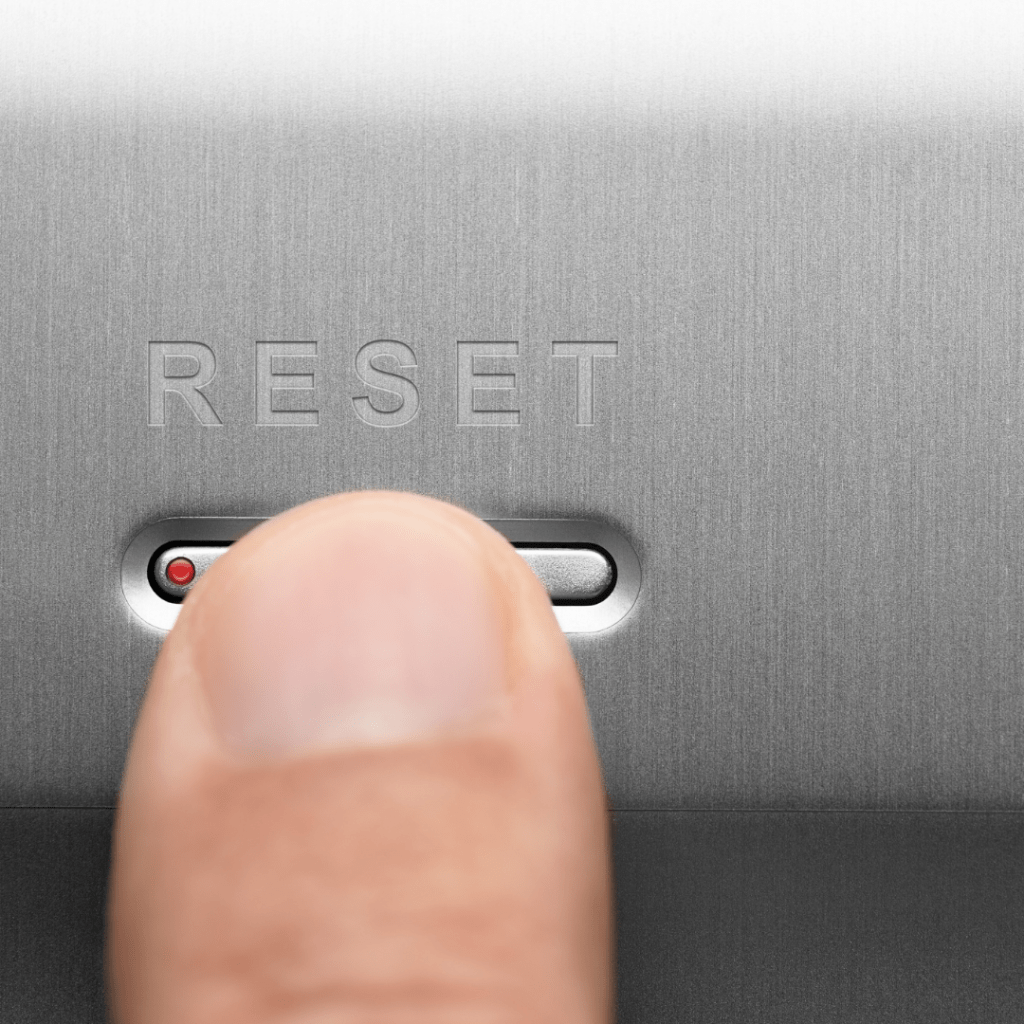
Why Your Money Reset Keeps Resetting

You want to stop living paycheck to paycheck.

You want to stop spending like your debit card is sponsored by Target.
You want to open your bank app without preparing for emotional impact.

You’ve tried the things.
The budgets. The cash envelopes. The “no-spend weekend.” The new spreadsheet. The cute app with the motivational quotes.

And for a little while… it works.

Then life shows up.
Groceries cost more. The car makes a noise. Someone has a birthday. You’re tired. You deserve a treat. The budget quietly fades into the background like a gym membership in February.

And now you’re back in the same place, wondering, “Why can’t I make this stick?”

Let’s talk about that.

The Emotional Side Nobody Warned You About

We don’t just spend money.
We spend for comfort.
We spend for stress relief.
We spend in celebration.
We spend to escape

Money is tied to emotions, whether we admit it or not.

You don’t buy coffee because you’re thirsty.
You buy it because you’re looking to perk up.

You don’t use Amazon because you need something.
You use it because it’s effortless.

And you’re left wondering why the new budget isn’t working.

Scripture reminds us:

“Above all else, guard your heart, for everything you do flows from it.” — Proverbs 4:23

Your spending is showing you what your heart is craving.

Why Simple Changes Don’t Stick

Here’s the part nobody loves to hear:
Small changes fail when they’re sitting on top of big patterns.

You change the budget…
…but keep the same habits.

You cut subscriptions…
…but keep the same stress responses.

You track expenses…
…but keep the same money story.

A few common reasons your resets keep resetting:

1. You’re treating money like math, not behavior.

Money looks like numbers, but it moves like emotions.

2. You’re fixing tools, not identity.

You’re saying, “I need a better system,” instead of, “I need a new relationship with money.”

3. You’re trying to restrict instead of redirect.

Restriction feels like punishment. Redirection feels like power.

4. You’re aiming for perfection instead of progress.

One mistake and the whole plan feels ruined, so you quit.

5. You’re trying to build discipline without building peace.

Discipline without peace always burns out.

The Quiet Frustration Nobody Talks About

You’ve carried hope into every new plan.
And you’ve carried disappointment out of most of them.

You’re tired of starting over.

You’re tired of hoping this plan will be different.

You’re tired of watching your future goals get eaten by present stress.

Scripture speaks straight to that weariness:

“Let us not grow weary in doing good, for in due season we will reap, if we do not give up.” — Galatians 6:9

If willpower alone worked, patterns wouldn’t repeat and we wouldn’t need second chances.

Your money habits don’t need another promise you can’t keep.

They need more honesty and better support.

The Spiritual Layer We Skip Too Often

God doesn’t want you stressed, ashamed, or stuck.

“For God is not a God of confusion but of peace.” — 1 Corinthians 14:33

Peace doesn’t mean being rich.
Peace means steady.
Peace means clear.
Peace means you stop expecting everything to fall apart.

And Proverbs reminds us:

“The plans of the diligent lead surely to abundance.” — Proverbs 21:5

Not overnight abundance.
Not lottery abundance.
Steady, built, grown abundance.

The Shift That Changes Everything

Stop asking:
“How do I fix my spending?”

Start asking:
“How do I build a life I don’t need to escape from with spending?”

That question changes everything.

Because now money isn’t just about stopping.
It’s about building.

Where This Leaves You

You can stop living paycheck to paycheck.
Not by trying harder.
But by looking deeper and building differently.

And when you stumble, because you will, remember:

“The righteous may fall seven times, but they rise again.” — Proverbs 24:16

Not because they’re perfect.
Because they don’t quit.

When Seasons Change Along With Your Marriage

Pumpkin spice isn’t the only thing showing up in early fall. Believe it or not, divorce filings also spike this time of year. Yep, just when you thought the biggest expense you’d face in September was back-to-school shopping, the reality is a lot of couples are sitting down with lawyers instead of PTO calendars.

But why fall? Well, think about it. Couples often try to hold it together through the summer for maybe one last family vacation, one more “let’s see if this works” effort while the kids are out of school. And then, when August heat turns into September routines, many people decide it’s time for a fresh start before the holiday season rolls around.

Here’s the tough part: divorce isn’t just emotionally draining, it’s financially draining, too. Money is already one of the biggest stressors in a marriage, and splitting households doesn’t exactly make things easier. If you’re not careful, you can end up with just as much financial heartbreak as marital heartbreak.

So let’s talk about how divorce impacts your money and what you can do to lessen the blow:

1. Two Houses, One Income (or Less)

You go from sharing expenses to doubling them. Mortgage or rent, utilities, insurance—suddenly you’re covering it solo. If you haven’t already, it’s time to put together a realistic budget for your household, not the one that used to be.

2. The “Stuff” Split

Dividing assets sounds fair on paper, but things get tricky fast. Retirement accounts, investments, even furniture, those things don’t just divide cleanly. Before agreeing to anything, understand the tax and long-term implications. A $50,000 retirement account isn’t the same as $50,000 in cash.

3. Debt Doesn’t Magically Disappear

Credit card bills, car loans, and even that home equity line; divorce doesn’t erase them. Be proactive about how debt is divided and whose name it stays under. Otherwise, your credit could take a hit for someone else’s spending.

4. Kids and Cash

If children are involved, child support and possibly alimony come into play. Don’t just think short-term; factor these payments (or the lack of them) into your long-term financial plan.

What You Can Do to Lessen the Impact

  • Get clear on your numbers. Write down your income, expenses, debts, and assets. Knowledge is power.
  • Work with professionals. A lawyer handles the legal side, but a financial coach helps you look at the big picture—budgeting, saving, retirement, even rebuilding your money mindset.
  • Adjust your lifestyle quickly. It’s tempting to keep living like you did as a couple, but the sooner you shift, the stronger you’ll feel financially.
  • Guard your heart and your wallet. Emotional decisions lead to expensive mistakes whether that’s fighting over the couch or giving up assets just to “get it over with.”

And let’s not forget the spiritual side matters, too. God isn’t surprised by your situation, and He isn’t leaving you to figure it out alone. In Proverbs 24:3 it says, “By wisdom a house is built, and through understanding it is established.” Even if your marriage is ending, you can rebuild your financial house with wisdom and understanding.

Divorce is tough, but God still has a plan and thankfully, so can your budget (even if it involves more coffee and less Netflix)

The Bottom Line

Fall may be “divorce season,” but it doesn’t have to be financial disaster season. With the right plan, the right mindset, and a little faith, you can come out stronger both emotionally and financially. And when you’re ready, I’m here to walk you through the money side of things so you can focus on building a new, solid foundation.

From Piggy Banks to Paychecks: Why Kids Need Money Lessons Early

I still remember the first time my daughter asked me for money. She was maybe four years old, holding a crumpled dollar in her little hand like it was gold. She looked up at me with those big brown eyes and said, “Mommy, can I buy all the candy?”

That was my wake-up call.

Teaching kids about money is a lot like teaching them to ride a bike. You don’t just shove them on a two-wheeler, give a little push, and pray they figure it out before crashing into the mailbox. No, you start with training wheels. You run alongside them. You let them wobble, tip, and scrape a knee or two while you cheer them on.

Money works the same way.

Kids don’t come with a built-in money manual. They come with big dreams, sticky fingers, and an uncanny ability to find the toy aisle like it’s the Promised Land. But if we don’t start teaching them about money when they’re small, they’ll grow up learning about it the hard way, usually from the school of overdraft fees and credit card debt.

Money is one of those topics we sometimes whisper about, like it’s too big or too grown-up for kids to understand. But we need to remember, they’re watching us. They notice when we swipe a card at Target like it’s magic. They notice when we sigh at the kitchen table with the stack of bills. They notice when we drop a $20 in the offering plate on Sunday. They’re learning whether we say anything or not. Just like little seedlings, they soak it all in, even if they don’t have words for it yet.

And that’s why it matters to start early.

Give them chances to handle money. Instead of waiting until they’re teenagers and suddenly expect them to “get it,” why not start now? Give them little bits of responsibility early. A dollar to put in the offering plate. A piggy bank where they can watch their coins grow. Let them save for something they want instead of handing it to them right away. That’s watering the seed.

Now, I know what you’re thinking: “Yvonne, my kids can’t even keep their shoes on the right feet, and you want me to trust them with money?” Yep. Because learning about money when the stakes are small is exactly the point. Better they “waste” $5 on slime or Pokémon cards now than $500 on a credit card bill later.

God says in Proverbs 22:6, “Train up a child in the way he should go: and when he is old, he will not depart from it.” That doesn’t just mean teaching them to say “please” and “thank you.” It means showing them how to live wisely including how to use money in a way that honors Him.

When we start early, those lessons take root.

And if they mess it up? Well, isn’t that the safest time for them to learn while the “budget crisis” is just about a lost dollar and not about not being able to pay rent?

So, start the conversation. Make it fun. Let them make a few mistakes while the stakes are low. Teach them about giving, saving, and spending in that order. You’ll be planting seeds that will grow into wisdom later and maybe, just maybe, you’ll save yourself from being the family ATM when they’re 25.

Because at the end of the day, money isn’t just about numbers. It’s about values, choices, and trusting God with what we’ve been given. And those are lessons worth teaching as soon as their little hands can hold a dollar bill.

It’s Okay to Change the Plan

There’s a moment in life when you look around and think: I’m not who I used to be.

Maybe it’s subtle like realizing you no longer enjoy the things you used to. Maybe it’s big like going through a divorce, getting married, having a baby, switching careers, or stepping into entrepreneurship. Whatever it is, something inside you has shifted.

You’ve grown.

You’ve evolved.

So why are you still using the same money plan from a version of you that no longer exists?

The Budget That Doesn’t Fit Anymore

A money plan isn’t just a spreadsheet. It’s a reflection of your values, your priorities, your goals, and your identity. And if you’ve changed, if your life has changed, then sticking to the same old budget is like wearing clothes that don’t fit anymore.

Sure, they technically cover you. But they don’t feel right.
They pinch. They restrict. They don’t give you room to breathe, stretch, or move forward.

So, if you’re feeling off financially, it’s not necessarily because you’re doing something wrong.

It might just be that you’ve outgrown the plan.

A plan made by a different version of you. A version who was in survival mode, or trying to please everyone, or following rules that never really fit in the first place.

You’ve healed. You’ve evolved. You’ve stepped into a new season.

And new seasons call for new plans.

You’re Not “Bad With Money”—You’re Outdated

This part is important, so read it twice:
If you’re struggling with your finances right now, it might not be because you’re bad with money.

It might be because your money plan is built for a person you no longer are.

A single mom going back to school has a completely different financial reality than she did when she was child-free and working full-time.
A new entrepreneur can’t rely on the same paycheck-to-paycheck plan they used when they had a 9-to-5.
And someone who’s healing from a toxic relationship might need space, and a spending plan, that prioritizes self-care and rebuilding trust in themselves.

Your money needs to meet you where you are now, not where you were two years ago, or where someone else thinks you should be.

The Spiritual Side of Shifting Your Finances

For those of us who walk with faith, change is not only allowed, it’s expected.

God does not create you to stay the same. He prunes. He redirects. He places you in new seasons, not to punish you, but to grow you.

So why would your finances be any different?

Too often, we treat our finances like a separate part of life, like God is invited into our relationships, our parenting, or our healing… but not our bank accounts.

But God cares about it all.

He sees your desire to be a good steward. He knows the pressure you carry. And He’s not asking for perfection. He’s asking for surrender.

Sometimes, the tension you feel in your finances isn’t a failure. It’s God whispering, This plan no longer fits the person I’m growing you into.

So what if instead of judging yourself… you paused and listened?

What if the struggle was just an invitation to co-create something new with Him right beside you?

Give Yourself Permission

Here’s what I want you to know: You have permission to change your mind. You have permission to rewrite the plan.

You’re allowed to create a money strategy that reflects the season you’re currently in, not the one you survived, or the one you’re trying to impress others with, or the one that “should” make sense on paper.

Let it reflect your values now. Let it support your mental health now. Let it guide your decisions in ways that align with the truth of who you are now.

Your Financial GPS

Think of your money plan like a GPS. When you take a detour, whether by choice or by circumstance, the map doesn’t yell at you or freeze in judgment.

It simply says:
“Recalculating.”

And it gives you a new route.

So if you’ve changed… maybe it’s time your budget says, “Recalculating,” too.
Not because you failed. But because you’re headed somewhere new.
And you deserve a financial plan that can grow with you. One that’s rooted in grace, grounded in reality, and fueled by hope.

Need help with that recalculating moment?
That’s what I’m here for. Let’s make sure your money plan reflects this version of you, the one who’s still learning, still growing, and still worthy of wealth and peace.

Show Me Your Bank Statement and I’ll Show You What You Value

Let’s start with a question: When you think about being “good with money,” what pops into your head?

Saving more? Investing earlier? Maybe finally sticking to that not-yet-used budget that’s been silently judging you since January?

That’s all useful. But managing your money well isn’t just about math. It’s about meaning. If you’ve ever hit a financial goal and still felt a little… empty? Yeah, that’s your values trying to break through the noise.

Because if your money and your values aren’t on the same page, no amount of budgeting or earning will bring you real peace. Because the peace you’re looking for isn’t in your bank account.

Picture this: someone says they value peace and simplicity. But every weekend, they’re online shopping to cope with stress, signing up for side hustles they hate, and saying yes to every offer that comes with a paycheck no matter how soul-draining, all to pay for the shopping to “cope with the stress”.

That’s not peace. That’s burnout with a direct deposit.

We confuse “wants” with “values” all the time. Wanting something isn’t bad, it’s normal. But buying every want is like trying to build a stable life out of marshmallows. Fun for a minute. Messy later.

When you spend based on your values, your money decisions stop feeling like sacrifices and start feeling like freedom. You’re not depriving yourself. You’re choosing peace over pressure. Long-term joy over short-term dopamine.

But what are values, really?

Let’s pause. Because some people hear the word “values” and immediately think of something vague or preachy.

But values are just what matters most to you.

Not to your mom. Not to your best friend. Not to the influencer who “just can’t live without” her $40 matcha serum.

You might value creativity. Or rest. Or adventure. Or family. Or building a legacy. You don’t have to get it perfect, but you do have to get honest with yourself. Most of us don’t even stop to ask. We just chase the next thing because everyone else is doing it.

But clarity is powerful. When you really know what your values are, decision-making gets a lot easier. You stop asking, “Can I afford this?” and start asking, “Does this fit who I want to be or the life I want to live?”

Okay, you’re sold on the idea. Now what?

Here’s a simple (but not easy) process:

  1. Slow down and listen. What makes you feel alive? What makes you feel grounded? Write it down. Pay attention to when you feel content, not just excited.
  2. Notice your spending. Pull up your transactions from the last 30 days. What did you buy that actually felt worth it? What left you feeling “meh”? Your bank account is already telling your story. Read it. It’s like the saying goes, show me your bank statement and I’ll show you what you value.
  3. Ask the value question. Before you buy, ask: “Is this aligned with my values or just a passing want?” Even better, try, “Would future me thank me for this?”
  4. Plan with your values in mind. Make room in your budget for what matters most, even if that means spending more on it and less elsewhere. If community matters, maybe you host more dinners instead of buying more clothes. If freedom matters, maybe you say no to the second job and work on living within your means. (Ouch, I know that one stung)

Success feels different when it’s aligned.

Aligning your money with your values doesn’t always mean you’ll spend less. But it does mean you’ll spend smarter. With intention. With integrity. With the “I actually like how I’m living” kind of satisfaction.

And weirdly, that kind of peace attracts more success. Because you’re no longer wasting energy chasing stuff that doesn’t even matter to you. You get focused. You make decisions faster. You stop comparing your life to people who aren’t even aiming for what you want.

Most of us are trying to build a life that looks good on paper. But what if you built one that felt good instead?

More money won’t always fix your life. But money aligned with your values? That’s the good stuff. That’s where peace and success stop competing and start walking hand-in-hand.

So take your time. Learn what matters to you. Then let your money follow.

That’s the real flex.

Mid-Year Money Check-Up: Are You Where You Wanted to Be in 2025?

Let’s start with the obvious: somehow, it’s already summer.

Wasn’t it just January? One minute we’re toasting to “New Year, New Me,” and the next we’re knee-deep in sunscreen, graduation invites, and last minute plans.

But before we get swept into vacation season and BBQ weekends, now’s a good time to ask: how are things going with your money?

No guilt. No panic. Just a good, honest check-in.

It’s about noticing where you are, what’s working, what isn’t and making small tweeks so you don’t roll into December with a shrug and a credit card bill you forgot about in July.

Here’s a simple way to reflect, adjust, and refocus without feeling overwhelmed or needing a spreadsheet-induced nap.

1. Look Back Before You Look Ahead
Pull out the financial goals you set in January if you can find them. If you didn’t write them down, no worries. Think back: what did you hope would happen with your money this year? Pay off a credit card? Build an emergency fund? Finally stop fighting with your budget?

Now ask yourself: are you closer to those goals than you were six months ago? Even a little bit? Great. If not, don’t spiral. You’re not behind you’re just getting data. Life throws curveballs. Budgets break. Priorities shift. That’s not failure. That’s being human.

2. Check the Numbers (Without Letting Them Boss You Around)
This is your quick glance at reality. Look at your spending. Check your savings. Peek at that debt. Are the numbers moving the way you want them to?

You don’t need to create a brand-new budget from scratch unless yours is a total dumpster fire, in which case, maybe give it a little refresh. But this is more about noticing trends. Are you spending way more on takeout than you realized? Is your savings account still sitting at $73.20?

Awareness is power, and it’s a lot less painful than pretending it’s all fine while your money quietly tiptoes out the back door.

3. Rework the Plan (Yes, You’re Allowed to Change It)
Maybe you’ve had some wins. Maybe you’ve had some setbacks. Either way, it’s okay to change the plan. In fact, it’s smart.

If a goal no longer makes sense, change it. If something felt realistic in January but now feels laughable, adjust it. Let this mid-year moment be about setting yourself up for success not holding yourself hostage to a plan that no longer works.

Refocus on what matters most now. Maybe you’re ready to go all in on paying down debt. Or maybe what you really need is a little breathing room in your budget so you can stop feeling tense every time your phone dings with a bank alert.

4. Choose One Thing to Stick With
This part’s important. Pick one small habit to carry into the rest of the year. Just one. Something doable. Something that keeps you connected to your money. Maybe it’s tracking your spending once a week. Maybe it’s putting $50 into savings every time you get paid. Maybe it’s finally canceling that gym membership you’re not using (we both know it’s time).

Financial success isn’t about doing everything perfectly. It’s about doing one thing consistently. Then another. And another.

Let’s Wrap This Up
Mid-year is not a reason to panic. It’s an invitation to pivot. Whether you’re on track, off track, or have no idea where the track even is, this is your moment to stop, check the map, and decide where you want to go next.

You don’t have to overhaul your entire financial life in one weekend. You just have to pay attention. Reflect. Adjust. Keep going.

And if you need a little help on your journey? That’s where I come in. No judgment. Just direction. Think of me like your financial GPS – recalculating when needed, but always helping you get back on the road.

The High Cost of Hiding

There’s a quiet ache that comes from living out of alignment with who you really are. It’s subtle, like a tag in the back of your shirt that you almost forget is there until it starts to itch. And in your finances, that itch can turn into full-blown discomfort.

We often think of authenticity as something reserved for journaling retreats, identity crises, or the kind of self-help books you buy with good intentions and never finish. But authenticity can also be deeply financial. It’s not just about how you feel it’s about how you spend, save, and stress.

Because if we’re honest, a lot of people are budgeting for a life they don’t even like.

Think about it. How many purchases have you made for the version of you that only exists in your imagination? The one who always looks put together, never repeats outfits, and somehow has a fridge full of green juices that don’t expire? That version of you is expensive. And slightly exhausting.

We’re not just buying things—we’re buying belonging. A curated lifestyle. A story we hope people believe. The upgraded car. The “dream” apartment with more square footage than friends to invite over. The business wardrobe for a job that mostly happens over Zoom.

This isn’t judgment, it’s a gentle nudge. What’s the honest answer if we ask ourselves how many of our financial choices are less about needs and more about narratives? We spend to feel enough. We say yes to things we don’t want to attend. We avoid our bank account like it’s judging us. (It’s not. But the notification that says “Your balance is low” does feel oddly personal.)

The more out of alignment we are with our real selves, the more chaotic our money becomes. Being real with ourselves clears the fog. It’s like finally putting on your glasses and realizing that plant you’ve been watering for three months is fake. Clarity can be funny that way.

When you start aligning your spending with your actual values—not the values your friends or social media feed told you to have—things change. You stop buying out of guilt or comparison. You stop chasing trends that don’t match your life. You give yourself permission to be weirdly specific in your budget, like prioritizing concert tickets over cable or saving for a tiny house instead of a mortgage in the suburbs.

Authenticity also means accepting the truth, especially the uncomfortable kind. Like admitting that you’re still paying off a trip that didn’t even go that well. Or that you have no idea how investing works, and your current strategy is “gut feelings and Google searches.”

In business, authenticity can be just as freeing. Stop trying to sell like someone else. Your clients don’t need a guru, they need a guide who knows who they are and isn’t afraid to sound like themselves. If you’re quirky, be quirky. If you’re straightforward, don’t fake the fluff. People can smell performance, and they usually don’t like it…unless it’s on Broadway.

Living and spending authentically doesn’t mean you never treat yourself or go after big dreams. It just means you do it with a sense of peace instead of pressure. It means your budget starts feeling like a mirror instead of a mask.

So, if you’re feeling stuck financially, maybe the next step isn’t another app or spreadsheet. Maybe it’s asking yourself: Am I spending money to be myself or to escape myself? Because the best financial plan starts with telling the truth. To ourselves. And maybe making peace with the fact that your “dream life” might actually involve fewer brunches and more naps.

Quick Fixes Won’t Fix You

It’s easy to get drawn in by the idea that one simple trick can turn your finances around. Maybe it’s a new budgeting app, a viral savings challenge, or the perfectly timed ad for a loan consolidation or low-interest credit card. It feels like if you just find the right fix, everything will click into place. But the idea that one quick move can solve years of habits, patterns, and beliefs about money is misleading.

There’s a seductive quality to shortcuts. When you’re financially stressed, anxious, or overwhelmed, your brain craves relief. It offers a moment of calm in the chaos, even if it’s temporary. But financial transformation is never just about the numbers It’s about who you’re becoming through the process. And real transformation isn’t fast. It’s often uncomfortable. It’s deeply personal.

Quick fixes are surface-level solutions. They focus on what you do like cutting expenses, downloading a tool, following a plan, without addressing why you spend the way you do or what you’re trying to feel when you swipe your card. You can set up automatic transfers to savings, but if you still feel like you never have enough, that money might not stay there for long. You can follow a budget, but if it feels restrictive or disconnected from your real life, you’ll eventually abandon it.

Then life happens. A tire blows. A friend invites you on a spontaneous weekend trip. Your old habits sneak back in, disguised as self-care or “you only live once” indulgences. The app gathers digital dust. The quick fix fades, and you’re back where you started, sometimes even more discouraged than before.

Why? Because quick fixes address symptoms, not core issues. They aim to change behaviors without addressing the beliefs that drive them. You can automate savings, but if you still believe you’re “bad with money,” that savings account will stay empty. You can follow a debt payoff plan, but if you haven’t built the discipline to say no to impulsive spending, the cycle will repeat. There is no app or spreadsheet that can replace the inner work of developing financial resilience.

This kind of change isn’t as exciting as a new app or a bold financial goal. Real change looks less like a sudden leap and more like a slow, intentional climb. It’s committing to tracking your spending even when it’s boring. It’s revisiting your goals regularly, not just when you’re inspired. It’s learning how to sit with discomfort instead of numbing it with a shopping spree. It’s asking yourself hard questions: What do I believe about money? Who taught me that? Does it serve me? What am I avoiding by chasing the next quick fix?

If you’re stuck in a cycle of hoping the next idea will be the one, take a step back. Ask yourself what you’re avoiding. Are you looking for a fix, or are you ready for real change? You don’t need a miracle. You need a plan that fits your life, habits that support your values, and the patience to let progress build.

Quick fixes might feel good in the moment. But they won’t build the kind of financial life you actually want. Real change is slower, steadier—and far more rewarding.

So the next time you’re tempted by a financial fix that promises overnight success, pause. Ask yourself if it’s addressing your foundation or just patching a crack. You’re not broken. You’re just evolving. And evolution takes time, intention, and a willingness to go deeper than the surface. Quick fixes won’t fix you. But showing up for yourself every day, even in small, imperfect ways just might.

Your First Paycheck Is Coming. Let’s Make Sure It Stays

Graduation caps have been tossed, your diploma is somewhere under a pile of moving boxes, and you’ve finally figured out how to make ramen taste like a real meal. Congratulations! You’re officially a recent graduate and now, welcome to adulthood, where you’ll quickly discover that your student loan servicer knows more about you than your grandma does.

As you prepare to dive into the job market or just landed your first “real” job, there’s one person you might want to bring into your corner, no, not your cousin who’s “really into crypto” or your roommate who swears they’re going to retire off of TikTok earnings. We’re talking about a financial coach.

Now, you might be thinking, “Why would I hire a financial coach? I don’t even have any finances yet. I have vibes and debt.” Fair point. But that’s exactly why now is the perfect time.

A financial coach isn’t just someone who tells you to stop buying $6 lattes (though they might gently suggest a reusable mug and a better budgeting app). They’re more like your personal money GPS helping you avoid the financial potholes you can’t even see yet. Most people only think about financial guidance once things are already on fire. Collections notices, overdraft fees, or the haunting realization that they accidentally blew their entire paycheck on concert tickets and Uber Eats. A financial coach helps you get ahead of those moments and build a roadmap for your money that doesn’t rely on hope and impulse.

Imagine starting your financial life with intention instead of regret. Knowing how to set up a budget that doesn’t make you feel like you’re grounded. Understanding how to tackle student loans without crying. Learning how to save for future-you—yes, the one who wants to travel, buy a house, or finally replace that cracked iPhone screen.

Plus, working with a coach can help you build confidence. You’ll finally stop nodding blankly when someone says “Roth IRA” and start using terms like “emergency fund” and “compound interest” without breaking into a cold sweat. It’s like having a financial translator—someone who helps you make sense of adult money things without making you feel like you failed Econ 101.

And the truth is, building good habits early is like investing in your future self. Think of your money like a plant: if you water it now and give it the right conditions, it grows. If you wait too long, it gets droopy, weird, and you end up frantically Googling “how to revive dead succulents” except it’s your credit score.

Sure, you could try to figure it all out on your own. There’s YouTube, TikTok, Reddit threads with advice from anonymous users named “StonkMaster420.” But if you want tailored guidance, real support, and someone who doesn’t vanish when the economy wobbles, a financial coach is worth it. They’ll help you build a plan you can stick to even if you’re still living with roommates and your “retirement plan” is just “not working forever.”

So, before you splurge on celebratory sushi or finance a couch you can’t afford, consider this: hiring a financial coach as a recent grad doesn’t mean you’ve got it all together. It means you’re smart enough to want to have it together. And that, my friend, is the kind of energy your bank account will thank you for—long after the ramen days are behind you.

*Whether you just said “I do” or just tossed your graduation cap, this summer is the perfect time to take control of your finances and set yourself up for long-term success.

I’m offering special discounted financial coaching sessions for:
Engaged or Newly Married Couples – Build a solid financial foundation together with guided money talks, budgeting support, and shared goal planning.
Recent Graduates – Learn to manage your income, student loans, and savings with confidence as you step into the real world.

No matter your stage, now is the time to create a plan that works for your future.

Offer ends August 31st — Limited spots available!

Schedule a free insight session here