Why Simplify? Because Chaos is Overrated

Ah, spring.

It’s that time of year when we clean up and clear out. But what if we include more than just our house in the decluttering process?

Life has a way of throwing curveballs—new jobs, marriage, divorce, babies, retirement… you name it. And just when you think you’ve got your finances figured out, boom! Everything changes.

If your financial situation already feels like a tangled mess of accounts, bills, and random subscriptions you forgot about (looking at you, streaming service #4), a big life change can make things even more stressful. That’s why simplifying your finances before—or during—a transition is one of the best things you can do for your sanity.

Let’s break it down, make it easy, and maybe even have a little fun along the way.

Financial transitions are already a lot to handle. Whether you’re dealing with a new income, adjusting expenses, or signing an overwhelming stack of paperwork, keeping your money simple can make all the difference.

When your finances are streamlined, you:
Stress less – Fewer accounts, fewer headaches.
Make smarter decisions – Clarity = confidence.
Save time – No more digging through statements wondering, What even is this charge?
Adapt more quickly – When life changes, your money moves with you, not against you.

So, how do we declutter the financial mess? Let’s get into it.

Step 1: Clean Up Your Accounts

Ever feel like you have too many bank accounts, credit cards, or investment apps? If managing your money feels like a part-time job, it’s time to consolidate.

Keep it simple: One checking account, one savings account, and only the credit cards you actually use. (Unless you have a specific account set up as a Christmas, vacation, emergency etc. fund)
Close unused accounts: That old savings account with $3.27 in it? Time to say goodbye.

Action Step: Make a list of all your accounts and see which ones you can combine or close. Less is more!

Step 2: Put Your Money on Autopilot

Life is busy. The last thing you need is to remember 15 different bill due dates. Automate your finances and let your money do the work for you.

Set up auto-pay for bills so you never miss a payment.
Automate savings – Pay yourself first before you spend a dime.
Direct deposit wisely – If possible, send a portion straight to savings so you never even miss it.

Action Step: Log into your bank and set up automatic transfers for savings and bills. Future-you will be grateful.

Step 3: Cancel the “Money Drains”

We’ve all signed up for things we don’t use (RIP to that gym membership we swore we’d use). These sneaky subscriptions add up fast.

Go through your bank or credit card statements – Find any recurring charges that don’t serve you.
Cancel what you don’t need – No shame in ditching that online magazine subscription from 2017.

Action Step: Check your subscriptions right now. Bonus points if you cancel at least one today!

Step 4: Simplify Your Budget (No Fancy Spreadsheets Required)

If budgeting sounds as fun as a root canal, you’re doing it wrong. Instead of tracking 57 categories, you can try the 50/30/20 rule:

  • 50% Needs (rent, food, bills)
  • 30% Wants (fun money, entertainment)
  • 20% Savings & Debt Payoff

That’s it. Simple, flexible, and easy to follow.

Action Step: Take a look at your spending and see where you can adjust to fit this method.

Step 5: Get Rid of Debt Faster

Debt is like an unwanted houseguest—it sticks around longer than you’d like and costs you money. Paying off debt faster will free up cash for things you actually want. Choose your weapon…

Tackle high-interest debt first (going for the avalanche).

Payoff the smallest debt first and use the momentum to payoff the rest of your debt. (aka snowballing)

Action Step: Make a list of all your debts and choose one to start paying off. Even small extra payments help!

Step 6: Build an Emergency Fund (Because Life Happens)

Car repairs, medical bills, or oops-I-forgot-about-that expenses pop up when you least expect them. A safety net of 3–6 months of expenses can save you from panic mode.

Start small: Even $500 is better than nothing.
Make it automatic: Set up a tiny weekly transfer into savings—you won’t even notice.

Action Step: If you don’t have an emergency fund, open a savings account today and put in whatever you can then be consistent even if adding only $5 a week.

Final Thoughts: Keep It Simple, Stay in Control

When life throws a big change your way, don’t let your finances add to the chaos. By simplifying now, you’ll be ready for anything—job changes, new adventures, or just a little more peace of mind. And hey, if you need some help getting things in order, I’ve got your back.

How to Overcome Money Obstacles During the Holiday Season

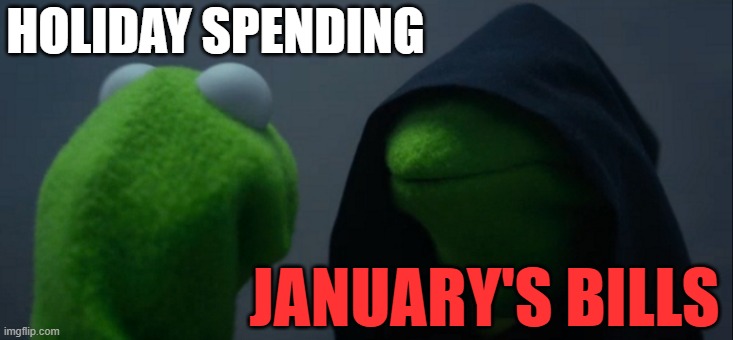
Ah, the holidays—the season of joy, laughter, and…let’s be honest, financial stress. Between gift shopping, travel expenses, and countless “treat yourself” moments, it’s easy to find yourself in a spending spiral. But don’t let your holiday cheer get buried under a pile of receipts. With a little creativity and planning, you can sidestep those money obstacles and truly enjoy the season.

And if you find yourself already behind the eight ball, use these ideas to stay ahead of the game next year!

Redefine What “Gifting” Means

Spoiler alert: not all gifts come from a store. Some of the most cherished presents are those with a personal touch. Instead of splurging on pricey items, try:

  • DIY gifts: Bake cookies, make scented candles, or put together a “movie night” basket with popcorn and a classic DVD.
  • Acts of service: Offer to babysit for a friend, help a family member with a home project, or share your professional skills as a unique gift.
  • Shared experiences: Plan a cozy potluck or game night instead of exchanging gifts. Memories outlast material things.

Get Real with Your Budget

Think of your holiday spending as a big puzzle—everything has to fit, or the picture doesn’t come together. Start by:

  1. Listing every expense: Include gifts, decorations, groceries, travel, and even your morning latte habit.
  2. Setting limits: Decide how much you can afford in total, then break it down by category. Then stick to it!
  3. Tracking as you go: Apps like Mint or YNAB can help you stay on top of your spending in real time.

A helpful tip: Stick to cash or a debit card for holiday shopping. It’s harder to overspend when you’re working with physical dollars.

Flip FOMO on Its Head

The holidays are prime territory for FOMO (Fear of Missing Out). Sales, parties, and social media feeds bursting with festive luxury can make it seem like everyone is living large. But here’s the truth: the most valuable moments don’t come with a price tag.

Instead of falling into the comparison trap:

  • Practice gratitude: Write down three things you’re thankful for each day. It’ll keep your focus on what truly matters.
  • Make your own traditions: Start a “holiday lights walk” in your neighborhood or host a movie marathon with friends. Fun doesn’t have to cost a thing.

Reframe Your Mindset About Giving

If you’ve ever thought, I need to spend more to show I care, it’s time for a holiday reality check. True generosity isn’t about the size of your wallet—it’s about the intention behind your actions.

  • Focus on meaning: Write heartfelt notes to your loved ones. A letter explaining why you appreciate someone can be more impactful than the priciest gift.
  • Teach your kids (and yourself): Use the holiday season to teach children about thoughtful giving and budgeting. You’ll be creating future money-savvy adults.

Plan Now, Celebrate Later

Planning is your best friend during the holidays. Think of it as your secret weapon for dodging those January blues when the credit card bill arrives.

  • Start shopping early: Sales happen year-round, so keep an eye out for deals well before December.
  • Use sinking funds: Save a little each month throughout the year specifically for holiday expenses. Even $20 a month adds up to $240 by the end of the year.
  • Say “no” when needed: It’s okay to skip the third Secret Santa exchange if it doesn’t fit your budget. Boundaries are a gift to yourself.

The holidays don’t have to be a financial free-for-all. By embracing creativity, sticking to a plan, and shifting your mindset, you can make this season about connection and joy—not credit card debt.

The spirit of the holidays isn’t about how much you spend. It’s about how much you love, share, and create meaningful memories.

This year, let go of the financial stress and focus on what truly matters. You might even discover a few new traditions along the way.

Here’s to a holiday season full of cheer—and zero financial regret!

It’s Not a Plan If It’s Not Written Down

By now you likely know that I’m a life coach. But did you know that I am also a certified financial coach? This week I want to share some thoughts with you from the financial side of what I do.

Managing money can be challenging, but creating a written budget can make a huge difference. A budget isn’t just a list of what you earn and spend—it’s a powerful tool that helps you take control of your finances and is the cornerstone of financial freedom. Because how serious of a plan is it, if you don’t put it in writing.

A written budget is bigger than simple intentions, it is a framework that guides financial decisions, curbs impulse spending, and creates long-term financial healthy habits. But why is a written budget so important?

A written budget gives you a clear picture of your financial situation. When you list your income and expenses, you can see exactly where your money is coming from and where it’s going. This helps you understand your spending habits and find areas where you can save money.

When you write down your budget, it’s easier to stick to your financial goals. It’s easy to forget about a plan if it’s only in your head, but having it written down keeps you accountable. You can check your budget regularly to make sure you’re on track with your spending and saving goals.

Writing down your financial goals makes them more real and achievable. Whether you want to save for a new phone, pay off debt, or build an emergency fund, a written budget helps you break down big goals into smaller, manageable steps. This way, you can track your progress and stay motivated.

Money problems can be a major source of stress. A written budget helps reduce this stress by giving you a clear plan for your finances. When you know exactly how much you can spend in each category, you don’t have to worry about unexpected expenses or financial surprises.

With a written budget, you can make smarter financial decisions. If you’re thinking about a big purchase or investment, you can check your budget to see if it fits your plan. This helps you avoid impulse buys and ensures your decisions support your long-term goals.

One of the biggest benefits of a written budget is the potential to save more money. By tracking your income and expenses, you can spot areas where you can cut back and save. Over time, these savings add up and help you build financial security.

Creating and maintaining a budget improves your financial knowledge. As you become more familiar with your income, expenses, and goals, you learn important money management skills. This knowledge helps you make better financial choices now and in the future.

A written budget is essential for building wealth. By managing your money wisely and making informed decisions, you can work towards financial independence. A budget helps you prioritize saving and investing, which allows your money to grow over time.

Making a written budget is simple. Here are some steps to get started:

  1. List Your Income: Write down all your sources of income, like your job, allowance, or any other earnings.
  2. Track Your Expenses: Record all your expenses, separating them into needs (like rent, utilities, and groceries) and wants (like eating out and entertainment).
  3. Set Financial Goals: Define your short-term and long-term financial goals, such as saving for a trip or paying off a loan.
  4. Allocate Funds: Decide how much money you will spend in each category and how much you will save. I recommend a zero-based budget.
  5. Review and Adjust: Regularly check your budget and make changes as needed to stay on track.

A written budget is more than just a list of numbers; it’s a powerful tool that can transform your financial life. By providing clarity, accountability, and a structured plan, a written budget helps you make informed decisions, reduce stress, and prepare for the future. So, grab a pen and paper, create a spreadsheet, or use a budgeting app, and start writing down your financial plan today. Remember, it’s not a serious plan if it’s not written down.