Money and Self-Worth: Are You Enough?

Money. Just hearing the word can spark a rush of emotions. For some, it brings a sense of security, for others, it’s a source of stress, shame, or even fear. But here’s the thing: how we feel about money often goes beyond just numbers in a bank account. It’s tied to how we feel about our lives, our choices, and even our worth. Ever noticed how when your finances are in a good place, everything feels a little lighter? Or how money struggles can make everything else seem so much harder?

Let’s talk about it—and what we can do to change how we feel about money (and life).

Money has this sneaky way of messing with how we feel about ourselves. For many, money is closely tied to self-esteem. The amount we have (or don’t have) can affect how we see ourselves. When you feel financially stable, you might feel proud and confident. But when money’s tight, it’s all too easy to feel like you’re falling behind or not meeting expectations.

This sense of worth tied to money can lead to a constant need for more, thinking that happiness lies in a bigger paycheck, newer car, or a nicer house.

The truth is, while financial security can reduce stress, chasing money as a sole source of self-worth can leave us feeling empty and disconnected from what really matters.

Let’s be real—money equals control, right? The more you have, the more choices you can make. You can travel, splurge on experiences, or even help others. When you’re in control of your finances, life feels more manageable. But when money is scarce, it can feel like everything is spinning out of control.

Ever been hit with an unexpected expense and felt your whole world turn upside down?

When money problems creep in, it’s easy to feel powerless, not just over your finances but over your entire life. That feeling can seep into everything else you do, making you feel stuck. But here’s the thing—even small steps toward managing your money can bring back that sense of control. Setting a budget, paying down debt, or getting clear on where your money goes can help you feel empowered, not overwhelmed.

How often have you found yourself in an argument with a partner, friend, or family member over money? It’s one of the most common sources of tension in relationships because, for many of us, money represents more than just dollars and cents—it’s tied to our values, our fears, and our dreams. If your partner sees money differently than you do, it can create a disconnect.

But money can also bring people together. Working toward financial goals as a team—saving for a home, planning a vacation, or paying off debt—can strengthen your bond. When you and the people in your life are on the same page about money, it creates a sense of unity and shared purpose. It’s not about how much you have but what you do with it together.

For many, the dream is simple: enough money to have the freedom to live life on your terms. Maybe that means traveling, pursuing your passion, starting a business, or just not worrying about bills every month. Financial freedom feels like the key to unlocking the life we want.

Without enough money, we may feel trapped in jobs we dislike or unable to make decisions that align with our values.

But sometimes, in chasing money for freedom, we can actually lose the freedom we already have. If you’re constantly focused on getting more, you might miss out on the joys and connections in the present moment. Remember, freedom doesn’t always come from having more; sometimes it comes from appreciating what you already have. Over-prioritizing financial gain can lead us to sacrifice time and relationships, robbing us of the very freedom we seek.

We’ve all heard it: “Money can’t buy happiness.” And while that’s mostly true, let’s be honest—money can solve some problems. It can provide comfort, security, and peace of mind. Life feels a lot lighter when you don’t have to stress about bills or unexpected expenses.

But once your basic needs are met, more money doesn’t necessarily mean more joy. The happiest people often aren’t the ones with the most money, but the ones who know what really matters to them and spend their resources (money, time, energy) on those things—whether it’s relationships, health, or pursuing passions.

So, how do we change how we feel about money—and by extension, our lives? It starts with recognizing that money is a tool, not a reflection of who we are. Ultimately, how we feel about money is deeply connected to how we feel about our lives. By acknowledging the emotional side of finances, we can take steps to improve both our financial well-being and our overall sense of fulfillment.

Here are a few ways to start changing your mindset:

Focus on What You Have: Instead of dwelling on what’s missing, take time to appreciate the financial wins you’ve already achieved. Practicing gratitude can shift your mindset from lack to abundance and can shift the focus from financial stress to appreciation for the non-material things in life that bring joy and contentment.

Make a Plan: Whether it’s creating a budget, paying off debt, or setting a savings goal, having a clear financial plan can reduce stress and give you back a sense of control. Remember, every small step counts. Developing a financial plan and understanding your spending habits provides clarity, reduces uncertainty and anxiety, and gives you a sense of control.

Invest in What Truly Matters: Instead of chasing more money for its own sake, align your financial goals with your personal values. Spend on experiences, relationships, and personal growth that enhance your life.

Our relationship with money is complex, but it’s important to remember that it’s just one part of our overall sense of well-being. By shifting our focus from the pursuit of wealth to the pursuit of a balanced, meaningful life, we can create a healthier relationship with both money and ourselves. And isn’t that what we’re after?

if you’d like to explore your financial mindset schedule an insight session with me! https://calendly.com/tulincu
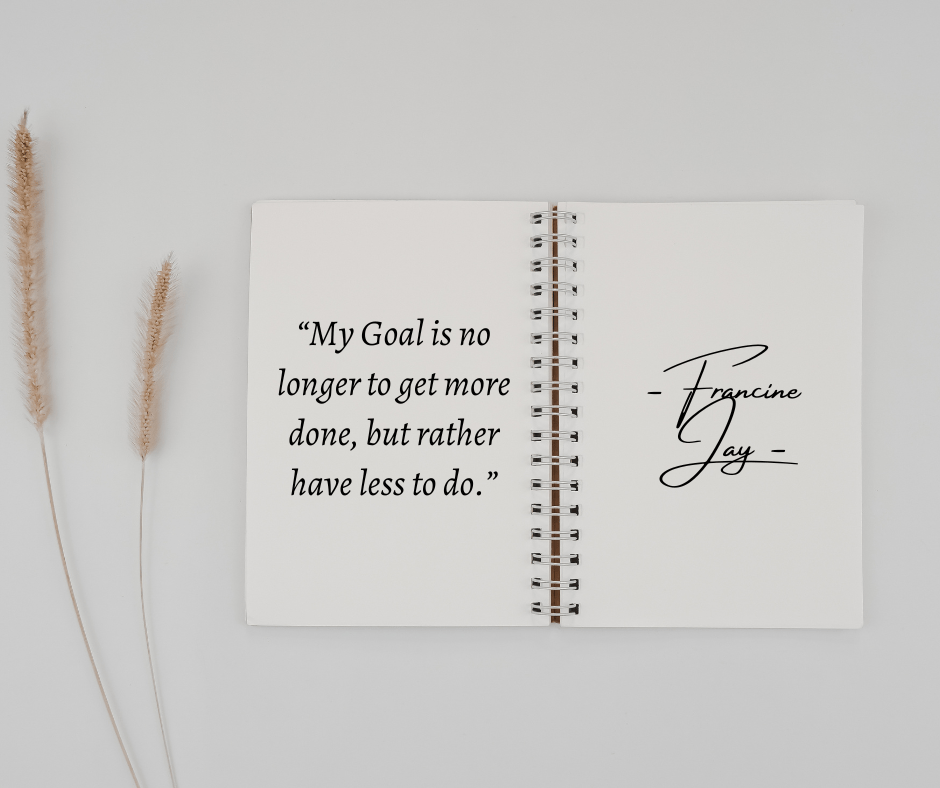
The Simple Life

A lot of people feel pressure living in our current culture. We’re continually told to do more, buy more, and achieve more. But what if living a simpler life could actually make us happier?

Ever feel overwhelmed by all the things on your to-do list? One of the most immediate benefits of living a simple life is the reduction in stress and anxiety. When you eliminate unnecessary possessions, obligations, and distractions, your mind has less to worry about. Simplifying your environment creates a sense of order, which can be incredibly calming. Fewer things mean fewer choices, and this allows you to focus your energy on what truly matters, leading to a more relaxed and centered life.

When we declutter our lives—both physically and mentally—we create space for clear thinking. A simple lifestyle helps eliminate the noise that often clogs our minds, making it easier to concentrate on important tasks, set meaningful goals, and make better decisions. By focusing on fewer things, we can dedicate more attention and energy to what genuinely adds value to our lives.

Living simply often means spending less, which can significantly improve your financial health. By reducing unnecessary purchases and avoiding the trap of consumerism, you can save more money, pay off debt, and build a financial cushion for the future. This financial freedom allows you to prioritize experiences over possessions and invest in things that bring true happiness, such as travel, hobbies, or spending quality time with loved ones.

When you strip away the clutter in your life, you can dedicate more time and energy to the people who matter most. Living simply allows you to be fully present in your relationships, leading to deeper connections and more meaningful interactions. Instead of being caught up in the constant pursuit of more, you can focus on nurturing and appreciating the relationships that enrich your life.

Simplicity extends beyond just your surroundings—it can also influence your lifestyle choices. Many people who adopt a simpler life often find themselves gravitating toward healthier habits, such as cooking at home, exercising regularly, and spending more time outdoors. By reducing the distractions that often lead to unhealthy behaviors, a simple life can promote better overall health and well-being.

When you can focus on what you value, you start appreciating the little things. Instead of always wanting more, you learn to be grateful for what you have. This shift in mindset can lead to more happiness and a sense of contentment that you can’t buy in a store. By choosing quality over quantity, you learn to savor experiences and find joy in everyday moments.

A simple life often goes hand-in-hand with sustainable living. By consuming less, wasting less, and making more intentional choices, you reduce your environmental impact. Whether it’s buying locally sourced products, or repurposing items you already own, living simply is an eco-friendly way to contribute positively to the planet.

When you remove the clutter and distractions, you get to know yourself better. You’ll have more time to explore your interests, passions, and values. This journey of self-discovery can lead to a more purposeful, fulfilling, and authentic life.

Here are some tips for living more simply

Declutter your space: Start with one room and get rid of things you don’t need or haven’t used in the past 12 months.

Prioritize your time: Identify activities and commitments that drain your energy and let them go. Focus on activities that bring you joy and cut out the ones that don’t.

Limit screen time: Reduce screen time and be selective about the content you engage with. Unsubscribe from emails, notifications, and social media that don’t add value to your life.

Practice gratitude: Each day, take a moment to appreciate the simple things—a warm cup of tea, a beautiful sunrise, or a good chat with a friend.

Living a simple life is not about deprivation; it’s about making intentional choices that align with your values and priorities. It’s about finding joy in less so that you can experience more. By embracing simplicity, you’ll discover that a life with fewer distractions, possessions, and obligations can lead to a richer, more rewarding life.

So why not give it a try? Start small, take one step at a time, and see how living simply can make a big difference in your life!

How Do I Want To Feel?

We all know the drill: you wake up, and before your feet even hit the floor, you’re already thinking about how your day is going to go. Maybe you’re tired, maybe you’re stressed, or maybe you’re already thinking about the long list of things you have to do. But what if, instead of going through the same old routine, you tried something different? What if you asked yourself, “How do I want to feel today?” This small change can make a huge difference in how you experience your day.

Let’s be real – life can throw a lot at us. Instead of letting things like bad traffic, a grumpy coworker, or even the weather decide your mood, you’re choosing how you want to experience the day. It might sound simple, but it’s a way to remind yourself that you’re in charge of your feelings, not the other way around.

Most of us spend our days reacting to whatever happens around us. If something annoying happens, we feel annoyed. If something stressful comes up, we feel stressed. But when you decide how you want to feel, you’re no longer just reacting – you’re creating your experience. For example, if you want to feel calm, you might take a few deep breaths or listen to relaxing music. If you want to feel happy, you might think about something you’re grateful for or do something you enjoy. This way, you’re actively choosing the kind of day you want to have.

1. **Set Your Intention in the Morning**: Before you even set a foot on the floor, ask yourself, “How do I want to feel today?” Don’t just think it – feel it. Visualize yourself moving through the day with this chosen emotion. Picture the energy, confidence, or joy radiating from you. It might sound cheesy, but this visualization sets the tone for the entire day.

2. **Remind Yourself During the Day**: It’s easy to forget about your intention once the day gets going, so try to set a few reminders. Set an alarm on your phone with a message like, “Remember: Today is about feeling confident!” or leave sticky notes around your workspace with words like “Joy,” “Calm,” or “Gratitude.”

3. **Choose Actions That Support Your Feeling**: Want to feel more energetic? Maybe go for a walk or listen to some upbeat music. Want to feel more relaxed? Take a few minutes to breathe deeply or do something that makes you smile. These small actions can help you stay on track with how you want to feel.

4. **Don’t Be Hard on Yourself**: You won’t always stick to your intention, and that’s okay. Life can be unpredictable. When you notice yourself drifting away from how you want to feel, gently bring yourself back. Remember, every moment is a chance to start again.  And you have the power to choose again – and again, and again.

Here’s the thing: when you intentionally choose how you want to feel, it doesn’t just change you – it changes everything around you. Have you ever noticed how one person’s mood can shift an entire room? By consciously choosing positivity, calm, or confidence, you influence the people you interact with. This ripple effect can transform your relationships, work environment, and even the energy you bring to a crowded subway or busy grocery store. Your choice to feel a certain way can inspire others to do the same, creating a collective wave of positive change.

This isn’t just self-help fluff – there’s real science behind it. Our brains have something called “neuroplasticity,” which means they’re constantly rewiring based on our thoughts and actions. By regularly asking yourself, “How do I want to feel?” you’re training your brain to default to more positive, empowering emotions. Over time, this practice can lead to reduced stress, increased happiness, and improved mental health. You’re essentially creating new pathways that make it easier for you to feel the way you want to feel.

Think of it this way, asking yourself “How do I want to feel?” gives you a choice. It reminds you that no matter what’s going on around you, you can always choose your response. It doesn’t mean you’ll never feel stressed, angry, or sad – that’s part of life. But it does mean you have a say in how much control those feelings have over you. It’s about being the hero of your own story, rather than just a supporting character.

Try this…tomorrow morning, when you wake up, ask yourself, “How do I want to feel?” It’s a simple question, but it can help you start your day with purpose and take control of your emotions. Maybe try it out for just one week and see what happens. See if you notice the difference in your mood, your energy, and even the way others respond to you. Imagine the possibilities when you choose how you want to feel instead of letting the world decide for you. Give it a shot, and you might be surprised by how much better your day goes.

Your emotions, your life, your choice. Now, how do you want to feel?

Stop Just Making Moves – Start Making Progress

Ever feel like you’re constantly making moves but not really getting anywhere? Like you’re hustling hard, crossing things off your to-do list, but still feeling stuck? If so, you’re not alone. The truth is, there’s a huge difference between staying busy and actually making progress.

Let’s talk about why just making moves isn’t enough—and how you can start focusing on what really matters.

We live in a culture that celebrates busyness. We’ve all been there: packed calendars, endless meetings, constant notifications pinging our phones. We’re moving, always doing something, but at the end of the day, it’s easy to feel like none of it really mattered.

Here’s the catch: **Movement isn’t progress**. It’s easy to mistake motion for productivity, but if you’re not strategic, you’re just spinning your wheels. Think about it—have you ever had a day where you were busy non-stop, but when it was all over, you couldn’t point to anything meaningful you accomplished? That’s the trap. And we’ve all been caught in it.

Let’s break it down:

– **Making Moves** means you’re doing something—anything. Maybe it’s answering emails, sitting in back-to-back meetings, or tackling a long list of tasks. You’re busy, sure, but are you getting closer to your big goals? Often, the answer is no.

– **Making Progress**, on the other hand, is different. It’s about intentional, focused actions that actually push you toward what you want. It’s about results, not just activity. Progress means each move you make is aligned with a larger goal, not just filling time.

It’s like the difference between running on a treadmill and running on a trail. You might sweat on both, but only one is taking you somewhere.

So why do we end up making moves but not progress? A few reasons:

1. **Being Busy Feels Productive:** We’ve been taught that doing more is better, so we fill our days with tasks that keep us active. But activity without purpose doesn’t get us anywhere.

2. **Fear of Pausing:** In a culture that celebrates hustle, taking a step back to reflect can feel like slacking off. But here’s the truth—without time to assess where you’re headed, you could be moving in the wrong direction.

3. **Lack of Clarity:** If you don’t know where you’re going, it’s easy to get lost. Without clear goals, you’ll focus on what’s right in front of you rather than what’s truly important.

4. **Distractions Everywhere:** Between social media, emails, and notifications, it’s harder than ever to stay focused. We react to the latest thing instead of prioritizing what matters most.

If you’re ready to break the cycle of busyness and start making meaningful progress, here’s how you can start today:

1. Get Clear on Your Goals

First things first: You need a clear direction. What do you actually want? What’s the bigger picture? Break your goals down into smaller, actionable steps so you know exactly what to focus on. Without a clear roadmap, you’ll always be reacting instead of moving forward intentionally.

2. Stop Letting the Urgent Crowd Out the Important

We’re all guilty of this. We get caught up in urgent tasks—emails, phone calls, meetings—that seem pressing but don’t actually matter in the long run. The key to progress is **prioritizing what’s important** over what feels urgent. Focus on the tasks that truly move the needle.

3. Embrace the Power of Pausing

Taking a moment to pause and reflect isn’t laziness; it’s smart. Regularly ask yourself: *Am I working toward my goals, or just staying busy?* Reflection helps you course-correct and ensures you’re on the right track. Don’t be afraid to slow down and think—progress comes from clarity, not chaos.

4. Tune Out the Noise

Distractions are everywhere, and they’re productivity killers. Put your phone on silent, block off distraction-free work time, and turn off notifications. By protecting your focus, you can get more done in less time and make real progress.

5. Track Real Progress, Not Just Activity

Here’s the kicker: It’s not about how many things you do, it’s about what those things actually accomplish. Start measuring your progress based on results, not how many tasks you check off. Are the steps you’re taking moving you closer to your big goals? If not, it’s time to re-prioritize.

When you shift from just making moves to making intentional progress, everything changes. You’ll start feeling a greater sense of purpose and accomplishment. Instead of ending your day exhausted from meaningless activity, you’ll have tangible results to show for your efforts.

And it’s not about doing more. It’s about doing what matters most. When your actions are aligned with your goals, you’ll find that progress feels smoother, more rewarding, and less draining. You’re not just busy—you’re productive in the ways that count.

So, are you ready to make the shift? The next time you feel overwhelmed by busyness, ask yourself: *Am I just making moves, or am I actually making progress?* By focusing on intentional actions that align with your goals, you’ll stop spinning your wheels and start seeing real, meaningful results.

Let’s make progress, not just moves. You’ve got this!

Finances Can Make or Break Your Work-Life Balance

Ever feel like you’re running on a hamster wheel, constantly juggling work demands and personal life, but still not getting anywhere? Here’s the truth: Your finances play a *huge* role in whether you’re stuck in that cycle or finding harmony between work and life. Money isn’t just about paying bills—it shapes your lifestyle, your career choices, and how much time you have for yourself.

So, let’s break it down and see how your financial situation could be tipping the scales of your work-life balance.

Have you ever had that feeling where your bank account is running low, and suddenly, every extra hour at work starts looking more and more appealing? Financial stress has a sneaky way of pushing you to overwork. When you’re worried about making ends meet, it’s easy to say yes to overtime or even take on a second job. But what are you sacrificing in return? Time with your family, hobbies, mental peace?

Overworking might help cover immediate expenses, but it often leads to burnout. The more you’re consumed with work, the less energy and time you have for yourself and your loved ones. In the end, financial strain doesn’t just drain your wallet—it drains your life.

When you’re living paycheck to paycheck, every decision—whether it’s about work or your personal life—feels tied to money. You can’t just take a day off when you need it, or even think about taking that weekend getaway. It’s a constant hustle, with little breathing room.

On the flip side, when you’ve got your finances under control, your options open up. You can say no to the extra shift, plan vacations, and even explore job options that give you more freedom and flexibility. Financial freedom allows you to take control of your time, instead of your time being controlled by your need to pay the next bill.

Let’s be honest: Not all jobs are created equal when it comes to work-life balance. But guess what? Your financial situation often determines how much job flexibility you actually have. If you’re financially stable, you can consider taking a job with fewer hours, remote work options, or one that’s more aligned with your passion, even if it means a slight pay cut.

But when you’re strapped for cash, the stakes are higher. You’re more likely to stick with a high-paying, high-stress job—even if it means sacrificing your well-being—because quitting isn’t an option. The more financially secure you are, the more power you have to choose a job that works *for* you, not against you.

Let’s talk about outsourcing. It’s one of the best ways to free up time in your personal life, whether it’s hiring someone to clean your house, take care of the yard, or even handle child care. But here’s the catch—it costs money.

If you’re financially secure, outsourcing can take a load off your shoulders, giving you more time to recharge and spend with your family. But if finances are tight, you’re stuck doing all the extra tasks on top of your work, which leaves you even more drained. In short, the more money you have, the easier it is to delegate and reclaim some balance.

Having a savings cushion is like having a backup plan for your life. Whether it’s an emergency fund or retirement savings, knowing you’ve got money set aside takes off some of the pressure. It means you don’t have to say “yes” to every extra shift, or panic if life throws a curveball.

A solid financial plan lets you make career moves or life changes that align with your values—not just your paycheck. Want to take a sabbatical or shift to a part-time role to focus on personal growth? When you’ve got savings, these options are actually on the table.

Let’s get one thing straight: Financial health isn’t just about how much you earn—it’s about how you manage what you have. If you’re overspending or constantly in debt, you’re going to feel that pressure no matter what your income level is. But if you’re smart with your money, budgeting, saving, and investing, you’re setting yourself up for less stress and more balance in the future.

In other words, how you *think* about and handle your money is key. Financial literacy isn’t just about growing wealth; it’s about buying yourself time and peace of mind.

If your finances are currently tilting your work-life balance in the wrong direction, don’t worry. Here are a few steps you can take to start tipping the scales in your favor:

– **Create a Budget**: This one’s simple, but powerful. When you know where your money is going, you’re less likely to overspend, and more likely to have cash left over for the things that matter.

– **Build an Emergency Fund**: Having a financial cushion gives you peace of mind. You won’t feel as pressured to overwork because you know you’ve got some backup.

– **Invest in Learning**: Financial literacy is a game-changer. The more you understand about managing and growing your money, the more freedom you’ll have to create a balanced life.

– **Diversify Your Income**: Having multiple income streams can give you more security and flexibility. Think passive income, side gigs, or smart investments. The more options you have, the less dependent you are on just one job.

The balance between work and life isn’t just about how many hours you put in at the office or spend with your family. It’s also about how well you manage your finances. When your financial house is in order, you have the freedom to create a life that doesn’t force you to choose between work and personal fulfillment—you get to have both.

So, what’s the next step for you? Whether it’s building up your savings, learning more about financial planning, or taking a hard look at your budget, remember: financial wellness is key to a balanced, fulfilling life.

Want to Know What Your Future Looks Like?

Have you ever caught yourself daydreaming about your future—imagining a new career you might have, the relationships you’ll build, the health you’ll enjoy? It’s a common pastime, thinking that perfect life just waiting around the corner. But here’s the thing: your future isn’t some distant destination shrouded in mystery. It’s not waiting for you out there somewhere; it’s being created right now by what you do every single day.

That’s right. If you want a sneak peek into what’s coming your way, take a hard look at your daily habits. Because, like it or not, your future is unfolding with every choice you make.

Think of your life like a savings account. Every action you take is a deposit—some big, some small. The more consistent you are, the bigger your balance grows. That’s the compound effect in action. It’s the tiny, almost insignificant choices you make daily that will eventually add up to monumental changes in your life.

Let’s talk health. You don’t wake up one day suddenly fit and strong because you spent one weekend at the gym. But commit to 30 minutes of exercise daily, and over time, those small efforts transform your body and mind. Alternatively, skip those workouts, indulge in unhealthy foods, and neglect your well-being, and you’re paving the way for future health issues.

The same goes for your career. You’re not going to land that dream job or start a successful business overnight. But by consistently learning, networking, and pushing yourself out of your comfort zone, you’re setting the stage for future success. If you’re coasting through your days, avoiding challenges, or putting off those things you know you should be doing, your future might not be as bright as you hope.

Consistency is your secret weapon. It’s not about making a big splash with one grand gesture. It’s about showing up, day after day, doing the little things that add up over time. Those small, steady steps forward are what build momentum in your life.

Imagine you want to write a book. That’s a big goal—overwhelming, even. But if you commit to writing just one page a day, by the end of the year, you’ll have a 365-page manuscript. It’s not magic; it’s math. And it’s within your power.

Your daily routine is more than just a series of tasks—it’s like a crystal ball showing you the future you’re creating. Take a moment to assess your routine. Are your actions today leading you to the life you want tomorrow? If not, it might be time to rethink some things.

Do your mornings start with hitting the snooze button, followed by a rushed breakfast and a stressful commute? Or do they begin with a few moments of mindfulness, some exercise, and a healthy meal? The choices you make each day are like bricks, and your future is the house you’re building with them.

Here’s the good news: you don’t have to be a passive observer of your life. You have the power to shape your future by being intentional about your actions today. Start by getting clear on what you want your future to look like. Then, work backward. Break down those big dreams into smaller, actionable steps that you can start incorporating into your daily routine right now.

Intentional living isn’t just about working hard; it’s about making sure your efforts are aligned with your goals. It’s about being mindful of how you spend your time and energy, who you surround yourself with, and what you prioritize.

Yes, your future matters, but don’t forget to enjoy the journey. The process of building the life you want should be as rewarding as the destination itself. When you find meaning in the everyday, those small, consistent actions become not just steps toward a goal but also sources of joy and fulfillment.

So, the next time you find yourself wondering what the future holds, don’t look to the stars—look at your calendar, your habits, your daily routine. Your future isn’t a mystery waiting to be solved. It’s a masterpiece waiting to be created, one small action at a time.

Remember, the power to shape your destiny is in your hands. What will you do with it today?

How Much Worse Does It Have to Get?

We’ve all been there—stuck in a situation that’s dragging us down, yet somehow unable to break free. Maybe it’s that dead-end job that leaves you drained every day, a relationship that’s lost its spark, or finances you can’t seem to get ahead of. You know things aren’t right, but you hang on, convincing yourself it’s not *that* bad. But here’s the question: How much worse does it have to get before you finally say, “Enough is enough”?

Let’s be real—comfort is seductive. It’s easier to stay in a familiar rut than to risk the unknown. Even when that rut starts feeling more like a hole you can’t climb out of, the fear of change can keep you stuck. We tell ourselves, “It could be worse,” or “I can deal with this for a bit longer,” but how long is too long?

This isn’t just about being lazy or complacent. It’s about our brains craving stability, even if that stability is slowly sucking the life out of us. Whether it’s a toxic work environment, an unhealthy relationship, or bad habits that are holding you back, the comfort of the known often outweighs the potential discomfort of the unknown.

Imagine this: You’re sitting in a pot of water that’s slowly heating up. At first, it’s just warm. Then, it’s hot, but you can tolerate it. Before you know it, the water is boiling, and you’re in trouble. This is how many of us live—waiting until the discomfort is unbearable before we finally make a change. But by then, the damage might already be done.

Here’s the truth: The longer you wait, the harder it gets. Minor annoyances become chronic stress, slight dissatisfaction turns into deep resentment, and what once felt manageable suddenly feels overwhelming. So why do we wait until we’re drowning before we reach for a lifeline?

You might be thinking, “I know I need to make a change, but…” and then fill in the blank with a dozen reasons why now isn’t the right time. Maybe you’re scared of what lies ahead, attached to the status quo, or clinging to the hope that things will magically improve. Maybe you’re worried about what others will think if you make a bold move.

Sound familiar? It’s the fear of the unknown that holds us back, even when the known is clearly no longer working. But here’s the thing: Change isn’t something to fear—it’s something to embrace. The real question is, are you ready to stop making excuses and start taking action?

So how do you know when it’s time to stop waiting and start changing? Look out for these red flags:

1. **Constant Stress and Anxiety:** If your situation is causing you nonstop stress, it’s time to face reality. Stress isn’t just a mental thing; it’s your body’s way of screaming, “Something needs to change!”

2. **Feeling Unfulfilled:** Are you just going through the motions? If life feels like a series of obligations rather than something you’re passionate about, that’s a clear sign it’s time for a shift.

3. **Physical Warning Signs:** Your body knows when something’s off. Unexplained fatigue, headaches, or other health issues might be your body’s way of telling you that your current path isn’t sustainable.

4. **Strained Relationships:** When your situation starts affecting the people you care about, it’s a sign that something’s got to give. Don’t wait until those relationships are damaged beyond repair.

5. **Building Resentment:** If you’re feeling more bitter than grateful, it’s time to ask yourself why. Resentment is often a sign that you’re ignoring your own needs and desires.

If any of this sounds familiar, it’s time to stop waiting for the perfect moment and start creating it. Change can be scary, but staying stuck is even scarier. Here’s how to get started:

1. **Own Your Situation:** Acknowledge that something isn’t working. This is the first and most important step.

2. **Face Your Fears:** What’s really holding you back? Fear of failure? Fear of judgment? Once you identify your fears, you can start to overcome them.

3. **Picture Your Better Life:** Imagine what life could look like if you made that change. Hold onto that vision—it’s your motivation to move forward.

4. **Start Small:** You don’t have to turn your world upside down overnight. Take small steps in the right direction, and let each one build your confidence.

5. **Get Support:** You don’t have to do this alone. Whether it’s friends, family, or a coach, find someone who can cheer you on and keep you accountable.

Life is too short to settle for less than you deserve. If you’ve been waiting for a sign that it’s time to make a change, THIS IS IT! Don’t let fear keep you stuck in a situation that’s dragging you down. Take the leap, embrace the unknown, and create a future that’s worth the risk.

If Life Hit The Reset Button

Imagine waking up tomorrow to find that life has given you a do-over—a complete reset. Your memories are intact, but the slate is wiped clean. The world is the same, but you have the chance to start fresh. The question is: Would you choose to live the same life again?

Many of us cling to the comfort of the familiar, even when it’s imperfect, painful, or unfulfilling. We convince ourselves that the life we’re living is the only one we’re meant to have. But what if that’s not true? What if the routine you’ve fallen into isn’t a testament to your contentment but rather a reflection of your fear? Fear of change. Fear of the unknown. Fear of what might happen if you let go of what you know.

You might think that choosing to return to the same life reflects a deep-seated satisfaction with your current existence. That it suggests that despite the challenges, the rewards outweigh the regrets. This decision is often driven by the bonds we’ve formed—family, friends, and communities that we might not want to lose. The fear of losing what we’ve worked so hard to build often outweighs the curiosity of what might have been.

But if life hit the reset button, would you rush back to the same job that drains you? Would you re-enter the same relationships that leave you questioning your worth? Or would you dare to choose differently?

Now, imagine the alternative. The reset button offers a tempting promise: a second chance. A do-over. The ability to correct the mistakes that keep you up at night. To chase the dreams you’ve buried under layers of “practicality” and “responsibility.”

Would you finally pursue that passion you’ve always sidelined? Would you make different choices—bold, brave, and unapologetically you? The idea of starting over might stir something deep within you, a longing for a life that feels more true to who you are.

But let’s not sugarcoat it: starting over is terrifying. It means facing uncertainty, risking failure, and stepping into a world where there are no guarantees. Yet, isn’t there something equally terrifying about the thought of staying where you are, forever wondering what could have been?

The allure of change is powerful. Many of us harbor secret “what ifs”—paths not taken, dreams deferred. The reset button represents a chance to explore those possibilities. Maybe you’d pursue a different career, choose different relationships, or live in a different place. The idea of creating a new narrative from the beginning can be both exhilarating and liberating.

Regret is a powerful force. It eats away at us slowly, quietly, until one day we wake up and realize that the life we’re living isn’t the one we wanted. The decisions we didn’t make, the chances we didn’t take—these are the things that haunt us. And the reset button, however imaginary, forces us to confront these regrets head-on.

Would you replay the same story, knowing where it leads? Or would you dare to rewrite the script, no matter how uncertain the ending?

Here’s the truth: this thought experiment isn’t about choosing between right or wrong, good or bad. It’s about awareness. It’s about recognizing where you stand in your life right now and deciding if it’s where you want to be.

Would you choose the same life? If your answer is yes, then that’s a powerful affirmation of your choices. But if your answer is no—or even if you hesitate—what does that say about the life you’re living? More importantly, what are you going to do about it?

The reset button doesn’t actually exist, but your ability to change your life does. Every day, you have the power to make different choices, to take risks, to start again in small ways that build toward something bigger.

So, let’s flip the script. Instead of waiting for a hypothetical reset button, what if you started living as if one already exists? What if you made the changes you’re too afraid to make? What if you stopped settling for a life that doesn’t fulfill you?

This is your challenge: don’t wait for life to offer you a do-over. Create your own. Live in a way that, if you were given the chance to start over, you wouldn’t want to. Because you’re already living the life you want—the one you deserve.

So, if life hit the reset button today, would you go back to the same life? Or would you choose differently? The answer might just change everything.

Knowing When To Pivot

We’ve all been there—pouring time, energy, and heart into something, hoping that with just a little more effort, it’ll finally click. But what if it doesn’t? How long should you keep trying the same thing, expecting a different result, before you switch gears?

Let’s start with a reality check. Are you being persistent, or have you crossed into stubbornness? Persistence is admirable—it’s about grit, determination, and the belief that you can achieve your goals with time and effort. But stubbornness? That’s when you keep doing the same thing over and over, even when it’s not working, and expecting it to magically start working.

Ask yourself: Are you seeing progress, or are you stuck? If you’re banging your head against the wall without seeing any cracks, it might be time to step back and rethink your strategy.

Let’s get real about feedback and results. Take a hard look at what you’re doing. Are you making small strides towards things improving? If you can see some progress, it might be worth sticking with it a little longer. But if you want bigger or faster improvements you may need to change something you’re doing.

But if you’re not getting anywhere, and the feedback—whether from others or the situation itself—keeps coming back negative, it’s time to ask: Is it time to pivot? Sometimes, the situation is screaming at you to change direction, and ignoring that is only going to lead to more frustration.

Here’s a challenge for you: Set a time frame for success. Before you dive into your next goal, decide how long you’re willing to push before reassessing. Maybe it’s six months, maybe it’s a year. But whatever it is, stick to it.

Track your progress closely during this period. If you’re seeing significant improvement, keep going! If not, it’s time to shake things up. This approach helps you stay persistent but also flexible—because sometimes, being smart means knowing when to adapt.

Think about this: Success doesn’t always mean staying the course—it often means being adaptable. Don’t confuse sticking with a goal with sticking to a single approach. If your current strategy isn’t working, it doesn’t mean you should give up. It means you should try a different tactic.

Take fitness goals, for example. If your current workout isn’t helping you shed those pounds, it doesn’t mean you should give up on getting fit. It might mean you need to switch up your routine, tweak your diet, or consult a pro. Adaptability is about being proactive—seeking better ways to achieve your goals, not waiting for failure to force you to change.

It’s decision time. When do you keep trying, and when do you pivot? Here’s a quick checklist:

1. Reflect on your efforts: Are you falling into the same traps? What can you change or improve?

2. Get outside input: Sometimes, we’re too close to the problem. A mentor, coach, or friend can offer a fresh perspective.

3. Reevaluate your goals: Are they realistic? Are there smaller steps you can take to measure your progress?

4. Be brave enough to let go: Sometimes, the boldest move is letting go of what’s not working and exploring new possibilities.

The line between persistence and stubbornness is thin, and crossing it can keep you stuck in a cycle of effort without progress. So, where are you at right now? Are you on the brink of a breakthrough, or is it time for a pivot?

Drop a comment below: What’s one thing you’re considering changing? Let’s spark a conversation about knowing when to push forward and when to try something new. After all, success isn’t just about how hard you work—it’s about working smart and being willing to adapt when the time is right.

What If?

How many times have you said the words “what if”?

What if I did this, or what if I did that.

But, what if you actually DID do that?

Ask yourself…

What would it mean for me if I went for that new job? What if I went to the gym for the first time? What if I took that art class? What if I got my finances in order?

Dreaming big is a bold and exhilarating move. It’s the moment when you allow yourself to imagine the life you truly want, unrestricted by fear or doubt. But what if those dreams didn’t just stay in your mind? What if you acted on them, practiced discipline, and created a life you love, achieving financial freedom along the way?

Dreams are the seeds of our greatest achievements. When you dream big, you see a whole world of possibilities. Your imagination becomes a playground where you can picture your ideal life, free from the constraints of your current circumstances. Having big dreams is important because they start you on your path. It allows you to set ambitious and inspiring goals, giving you the motivation needed to pursue them.

Dreaming big is about more than just setting lofty goals though; it’s about daring to believe in yourself and your potential. It challenges you to break free from limiting beliefs and societal norms, encouraging you to think beyond what seems possible.

But dreams without action are just fantasies. To turn your dreams into reality, you HAVE to take steps toward achieving them. That means setting clear, actionable goals and developing a plan to reach them. It requires courage because taking that first step can be daunting. However, each step forward brings you closer to your dream. And when you think about it, how often have you done something for the first time and thought, “That wasn’t as bad as I thought”?

Start by breaking down your big dreams into smaller, manageable tasks. This makes the process less overwhelming and allows you to celebrate small victories along the way. For example, if your dream is to start your own business, begin with market research, create a business plan, and build a network of mentors and supporters.

Discipline is the bridge between goals and accomplishment. It’s the consistent effort, even when motivation dwindles, that keeps you moving forward. Practicing discipline means setting a schedule, sticking to your plan, and making sacrifices when necessary. It involves developing habits that support your goals, such as regular exercise, continuous learning, and effective time management.

Discipline also means staying focused on your long-term vision, even when faced with obstacles or setbacks. It’s about resilience and the determination to keep going, no matter how tough the journey gets.

As you act on your dreams and practice discipline, you’ll start to see the transformation in your life. Creating a life you love is about aligning your daily actions with your core values and passions. It’s about finding fulfillment in your work, relationships, and personal growth.

This process is deeply personal and unique to each person. For some, it might mean achieving career success and recognition. For others, it could be about nurturing meaningful relationships or pursuing creative passions. Whatever your definition of a fulfilling life, the key is to live authentically and intentionally.

Financial freedom is a common aspiration and a crucial part of creating a life you love. It means having enough resources to live comfortably without constant financial stress. Achieving financial freedom requires careful planning, disciplined saving, and smart investing.

Start by setting financial goals, such as paying off debt, building an emergency fund, and investing for the future. Create a budget that aligns with your goals and stick to it. Educate yourself about personal finance and seek advice from experts when needed. Remember, financial freedom is not just about accumulating wealth but also about making wise financial decisions that support your long-term well-being.

When you dream big, act on those dreams, practice discipline, and achieve financial freedom, you not only transform your own life but also inspire those around you. Your journey becomes a testament to the power of vision, action, and perseverance. You show others that it’s possible to break free from often self-imposed limitations and create a life filled with purpose and joy.

So, dare to dream big, take action, stay disciplined, and create the life you love! Your future self will thank you.